Seating
-
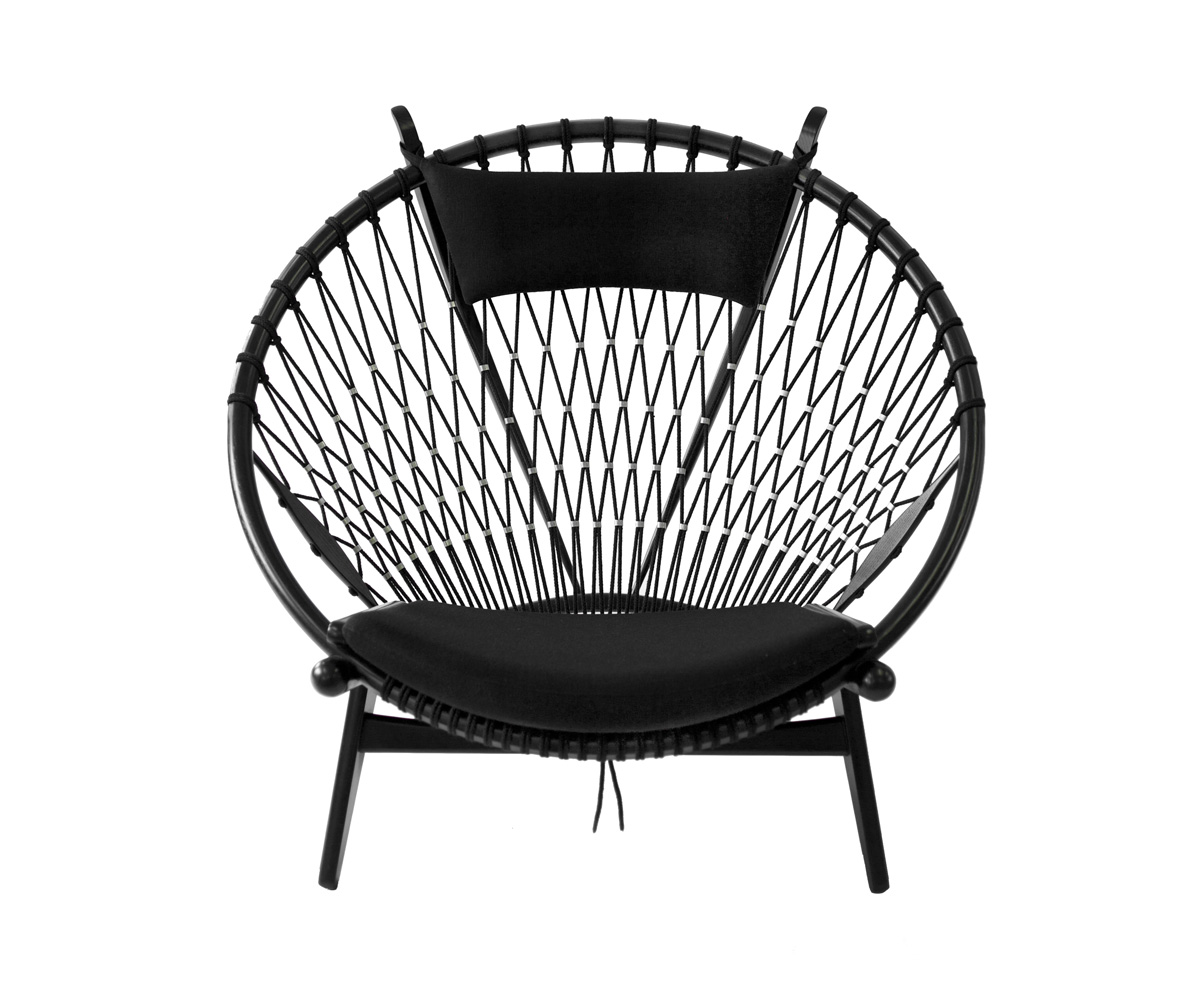

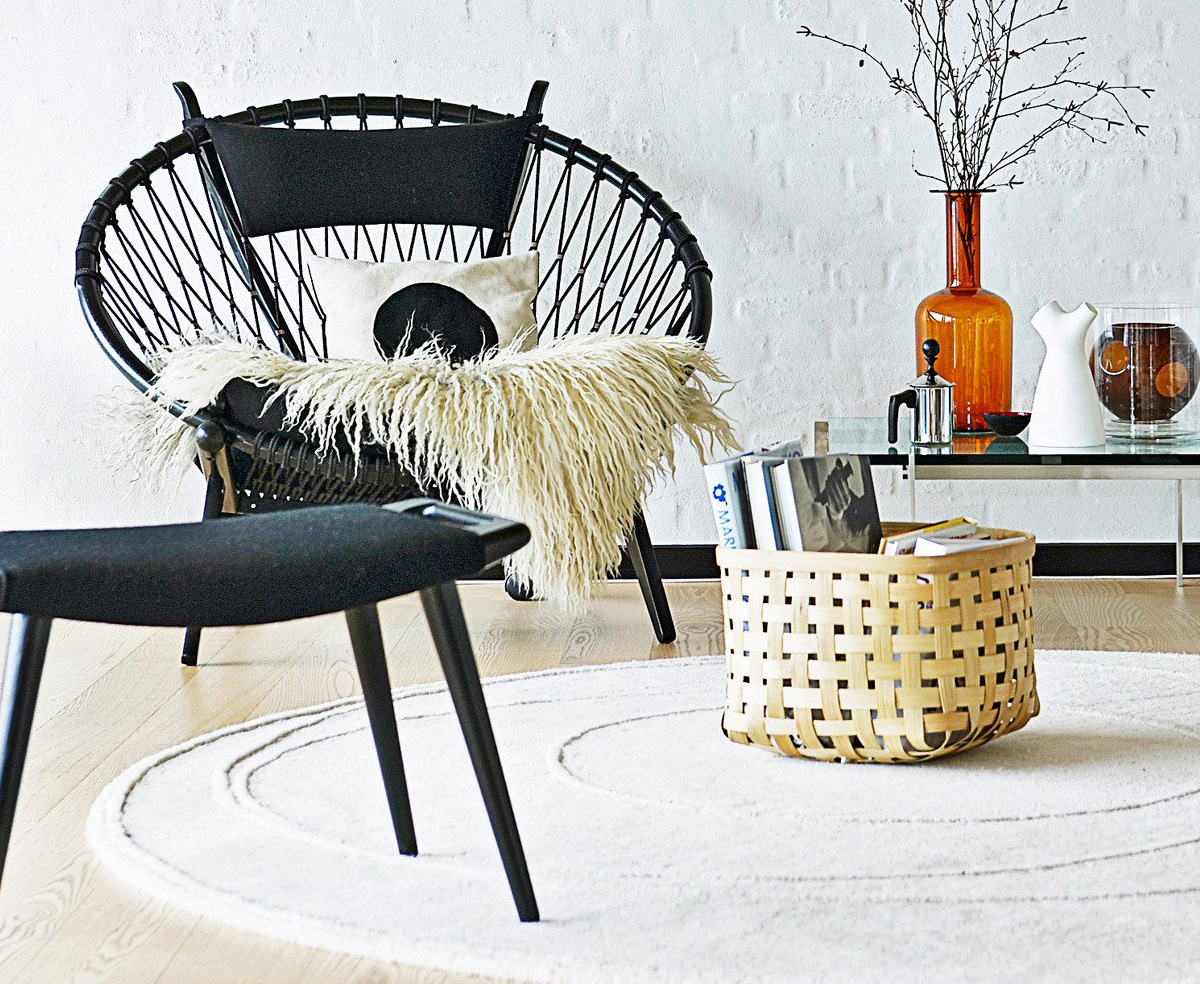
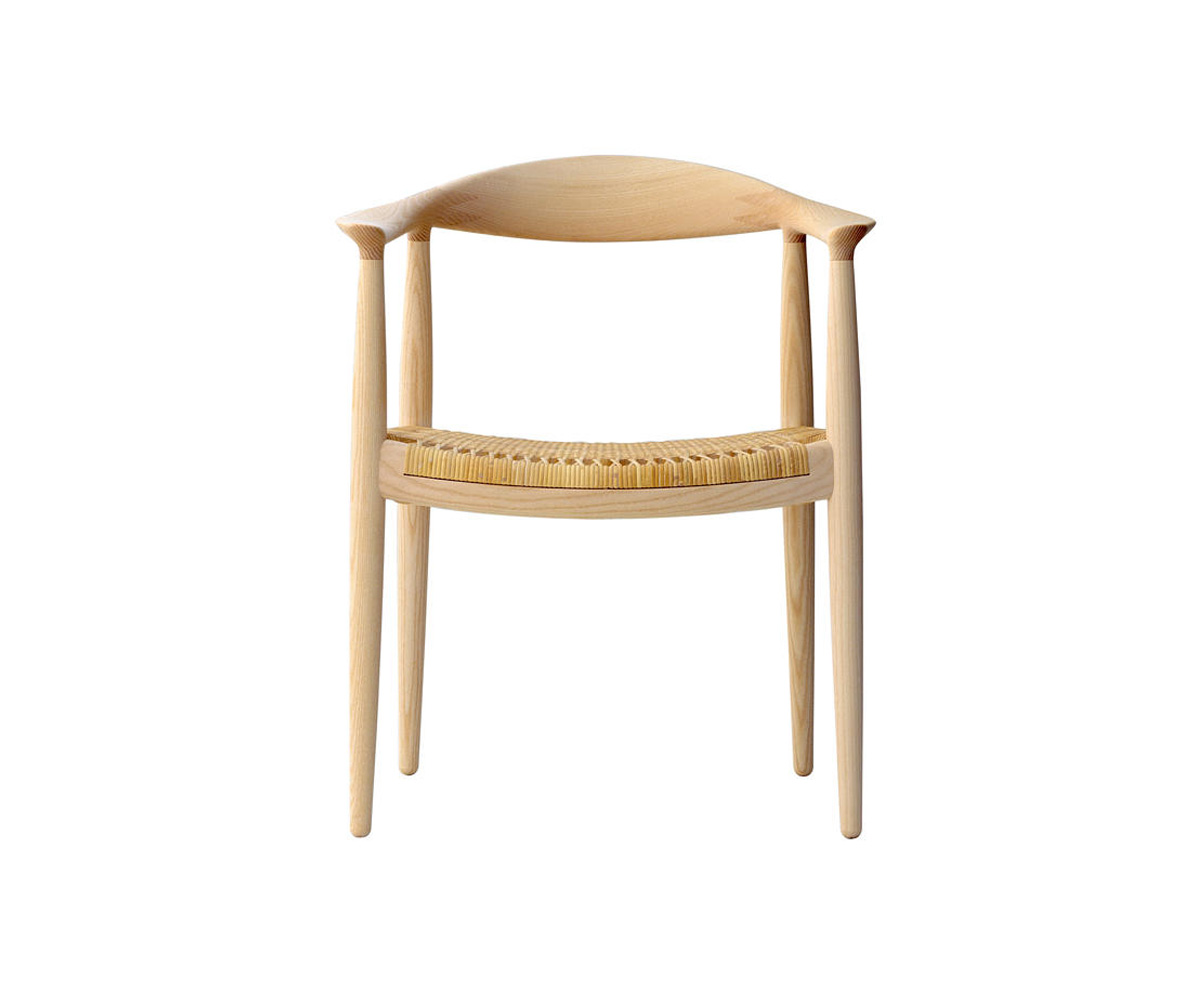
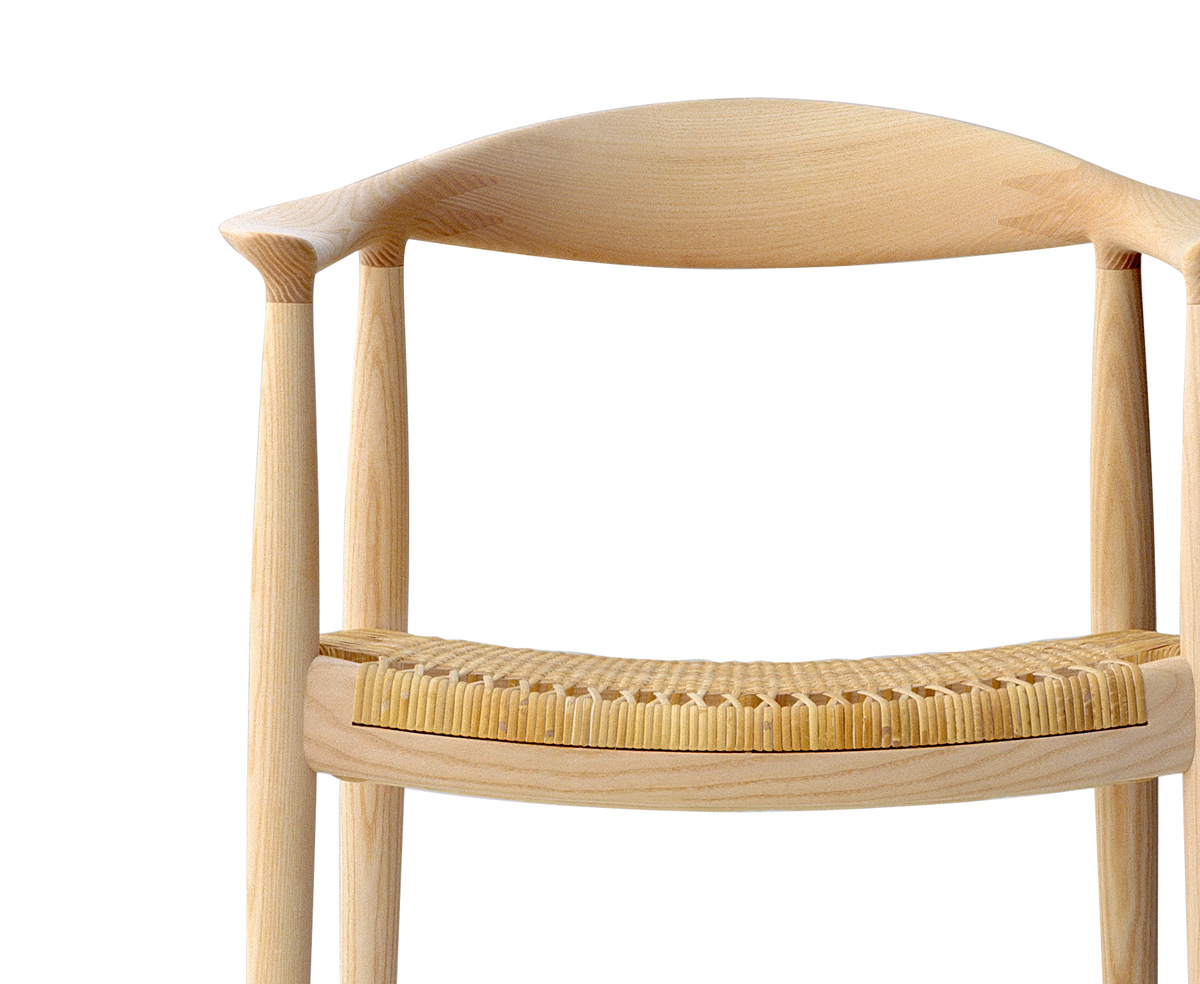
In 1965 Wegner had the idea of making a chair based on the most simple and elegant shape the circle, remained a distant dream until Hans J Wegner eventually completed the design at the age of 72. One of his most visionary projects this chair posed great challenges for the…
-
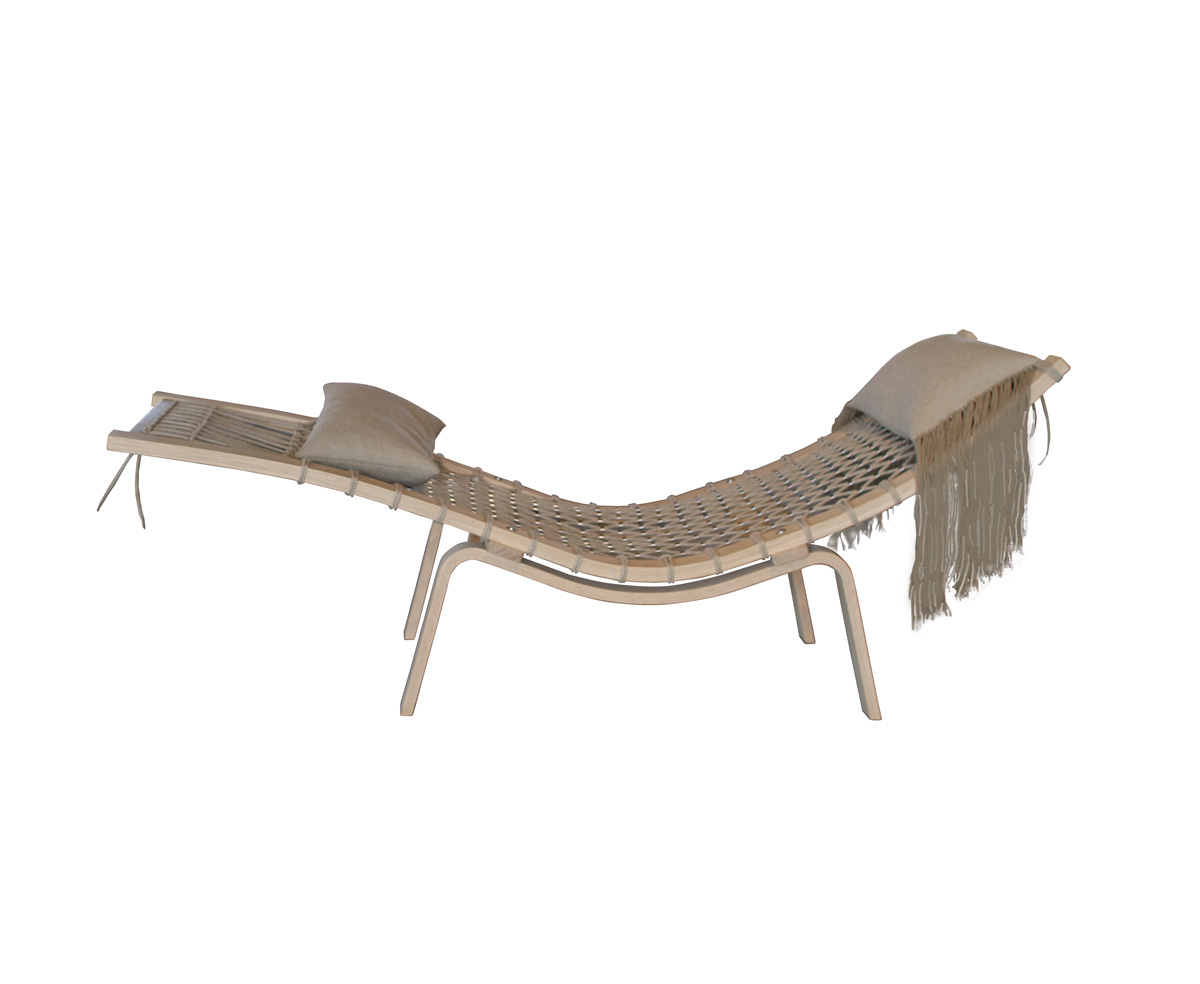
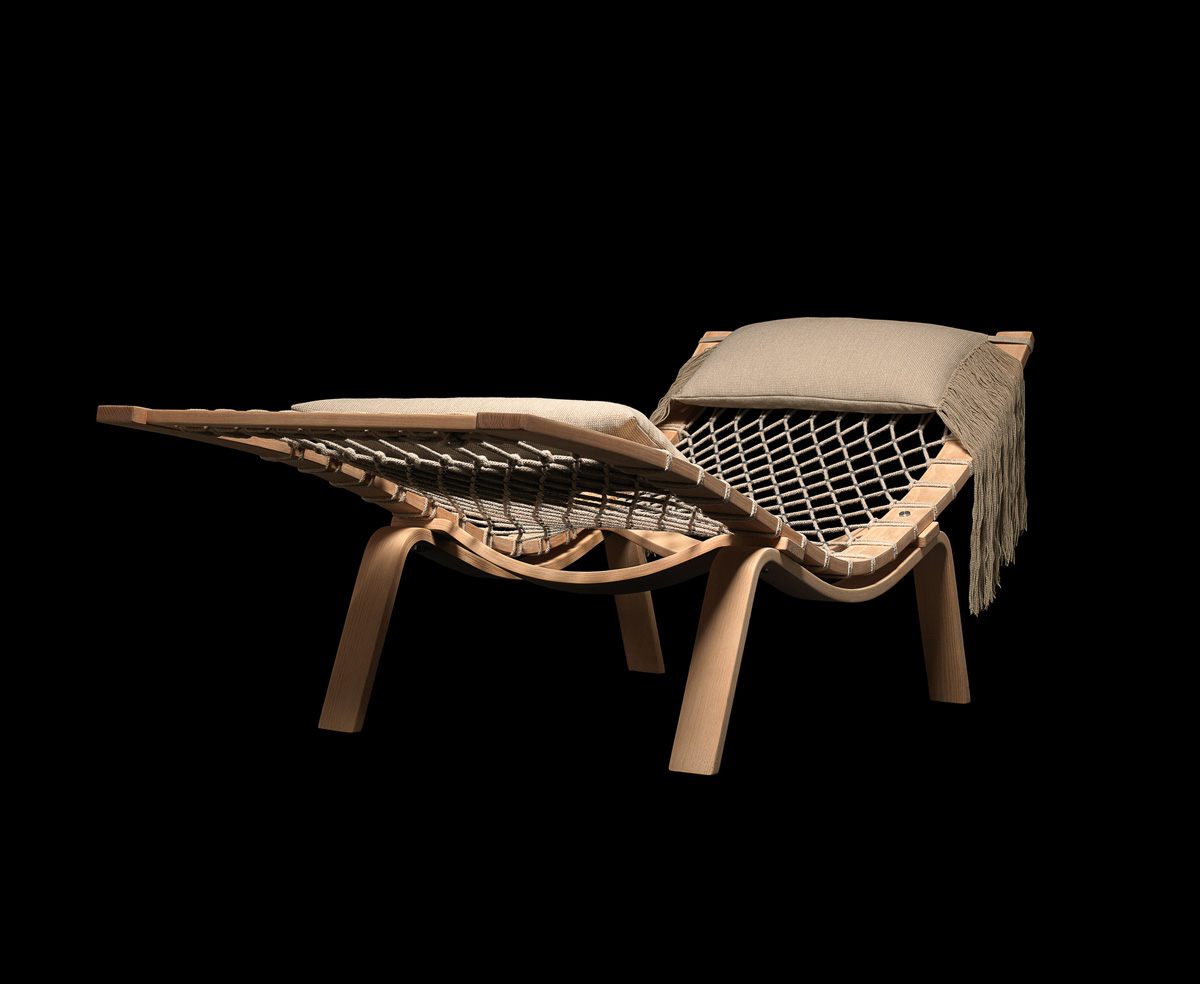
The Hammock Chair based on the idea of stretching out a flexible surface of flag line strings in a wooden frame to create a chair that resembles a hammock but in the form of a reclining chair, made with the introduction of simple metal clips that allowed the characteristic pattern…
-
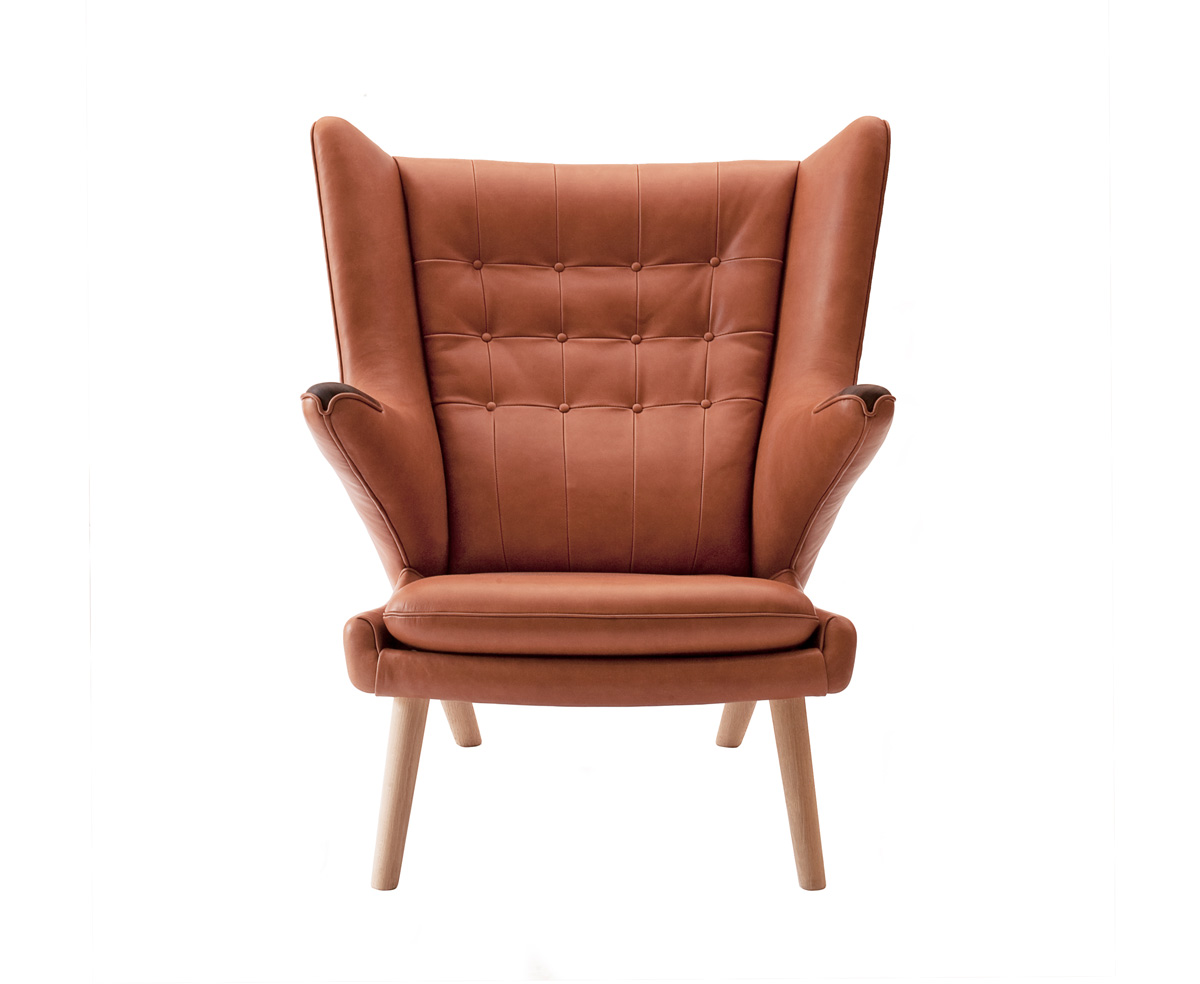
The Papa Bear Chair is a chair that will wear in rather than wear out. Traditional techniques and four natural materials constitute the comfortable upholstery, cotton, palm leaves, flax fibre, horse hair and metal springs building up the shapes of the chair, a process that requires many hours and vast…
-
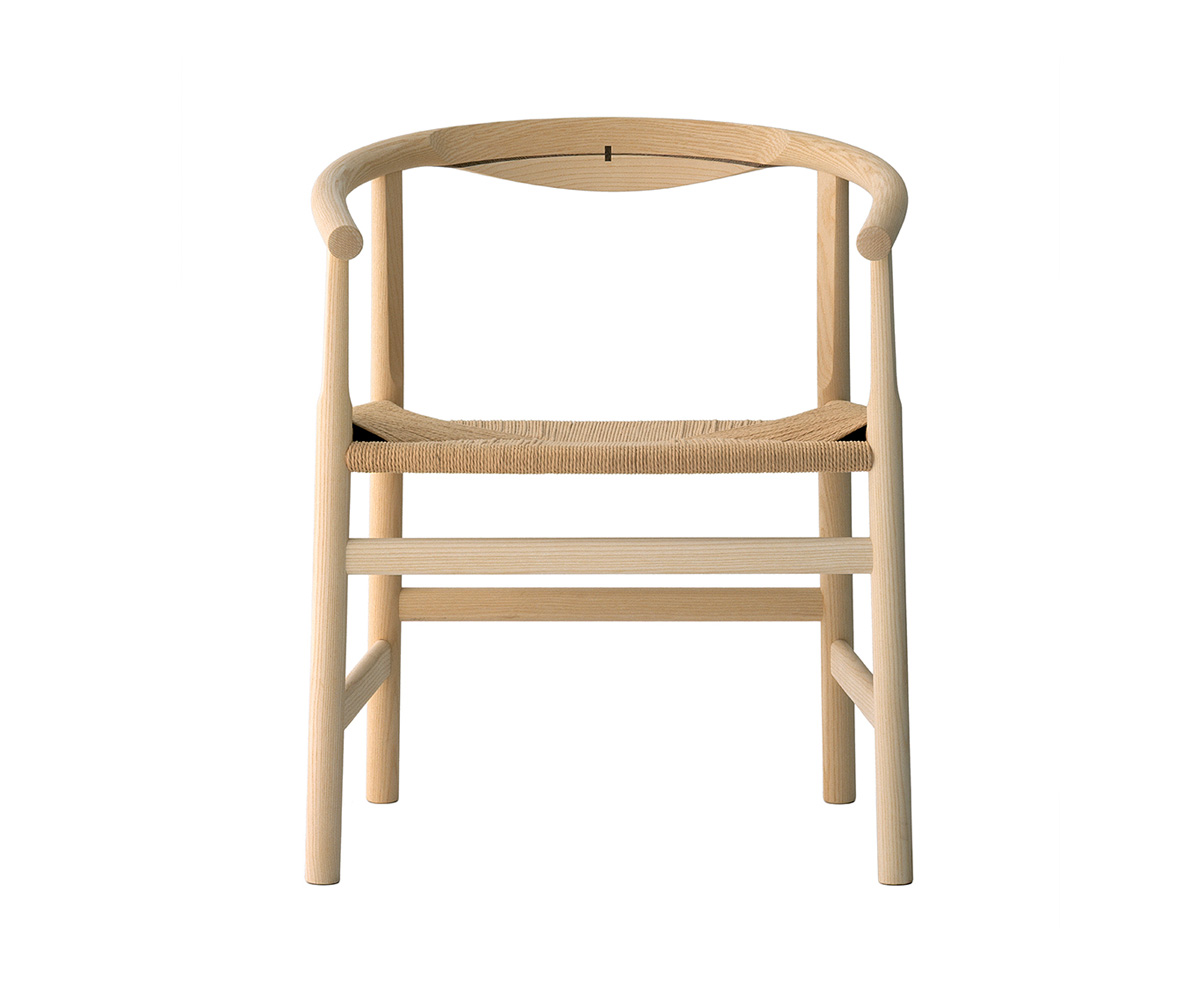
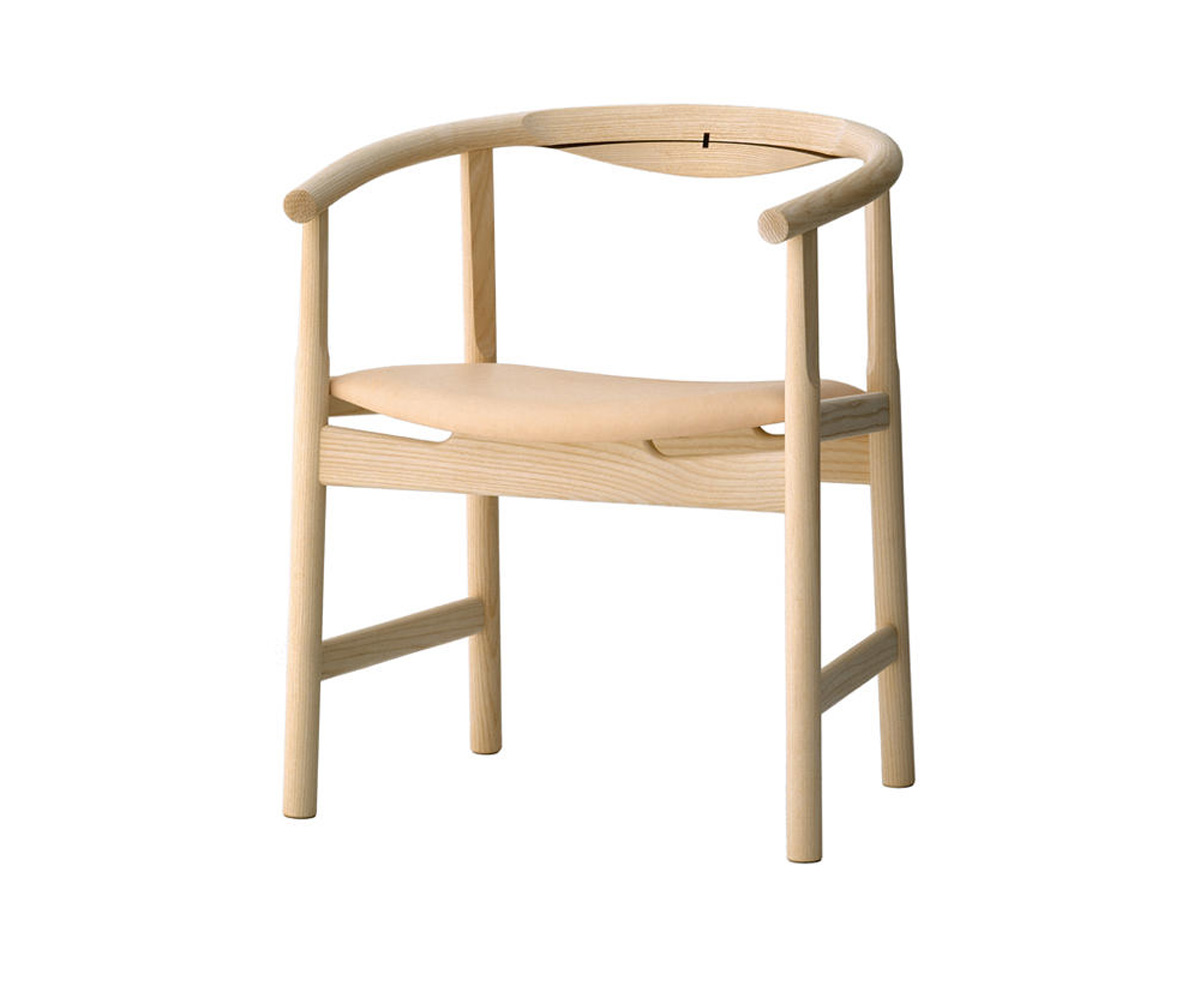
The pp201/pp203 combines the aesthetics of the Minimal Chair with the construction of the pp66 Chinese Chair thus creating a new expression, where the strict geometry defined frame supports only the most prudent use of those organic shapes so characteristic of Wegners work through the 1950s. The combined arm and…
-
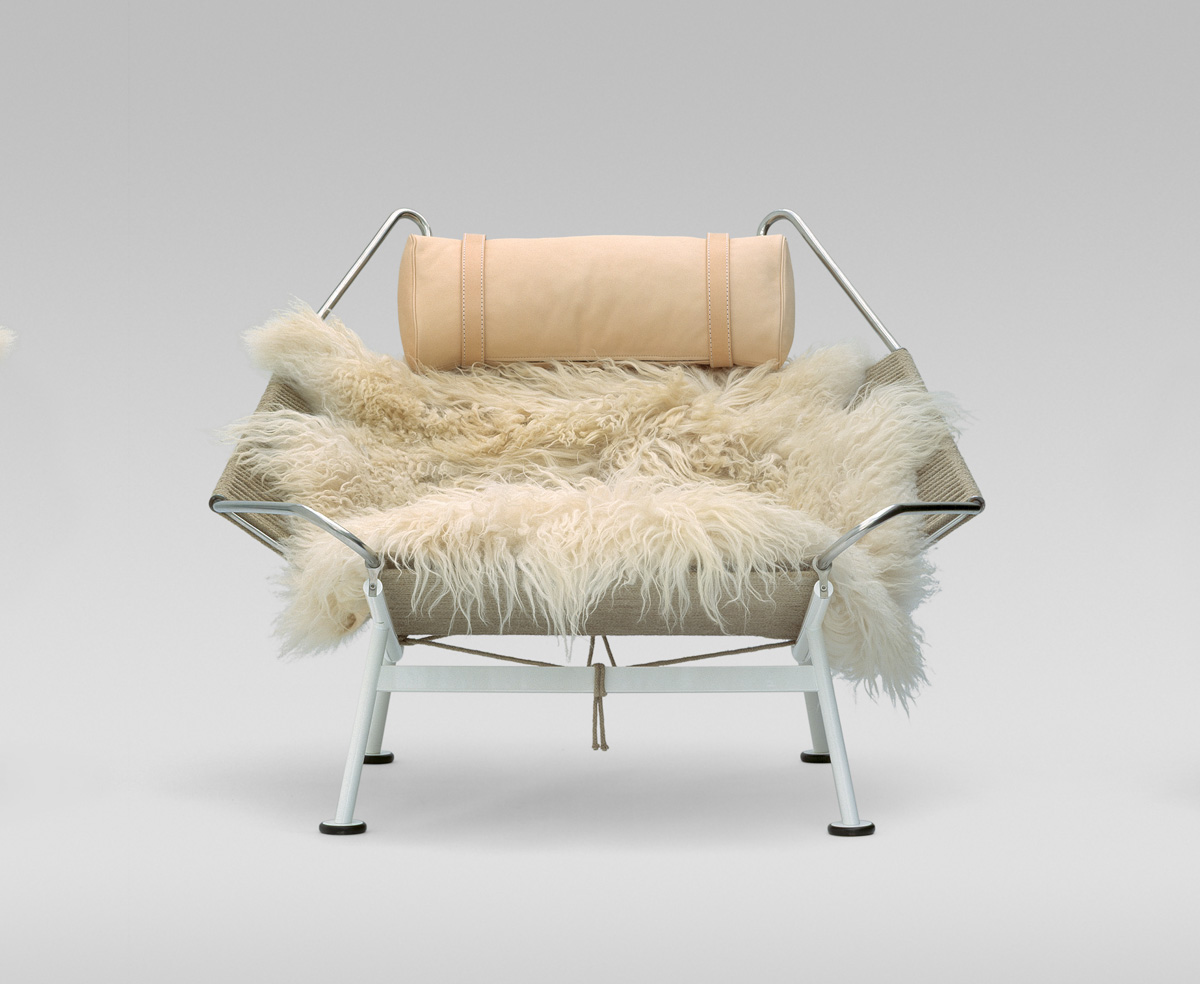
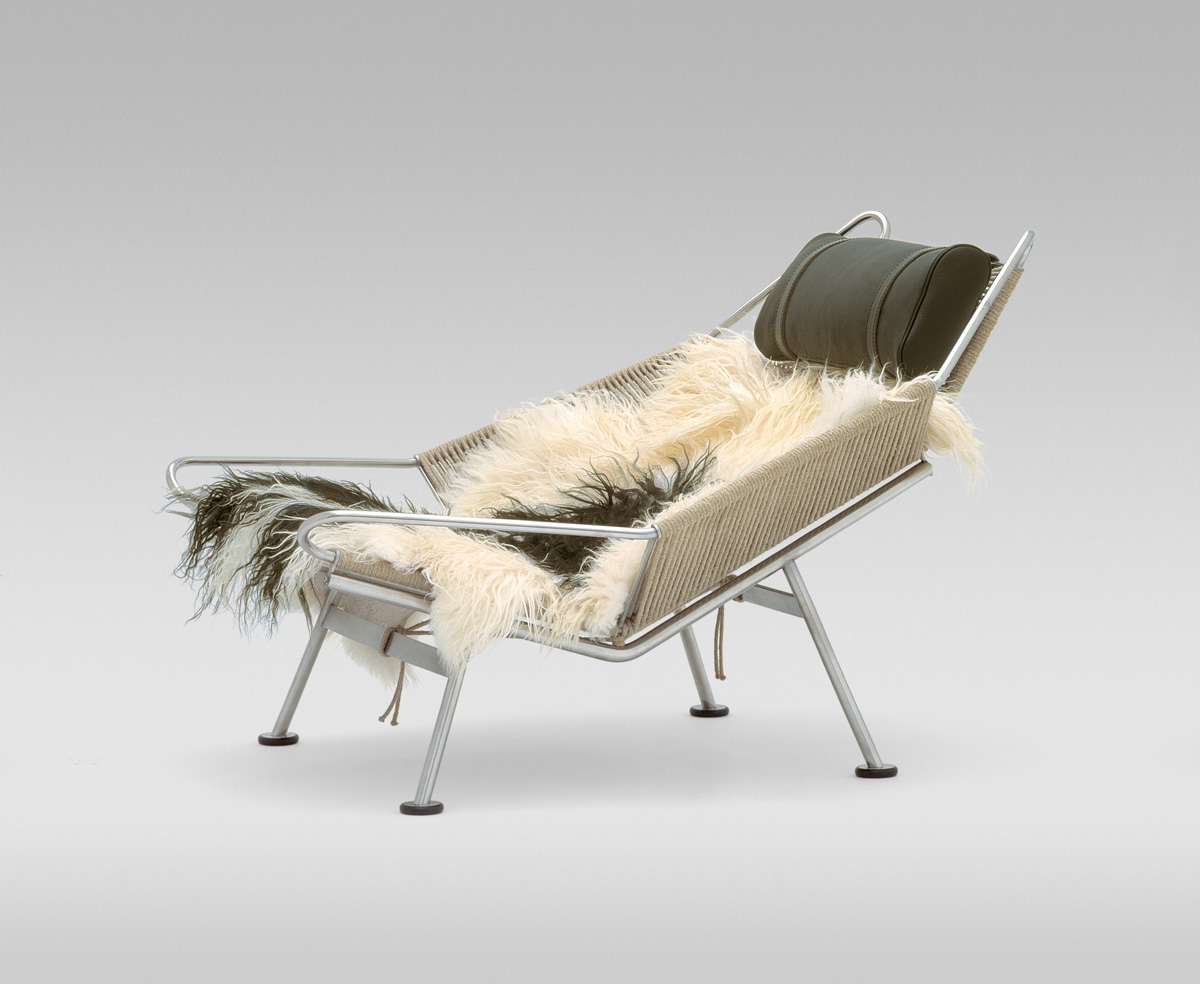
The basic idea of the Flag Halyard Chair was conceived on a hot summer afternoon, while the kids were playing in the water Wegner was digging and building himself a sand chair to relax and enjoy the day. Back at his summer house Wegner made the first sketches using the…
-
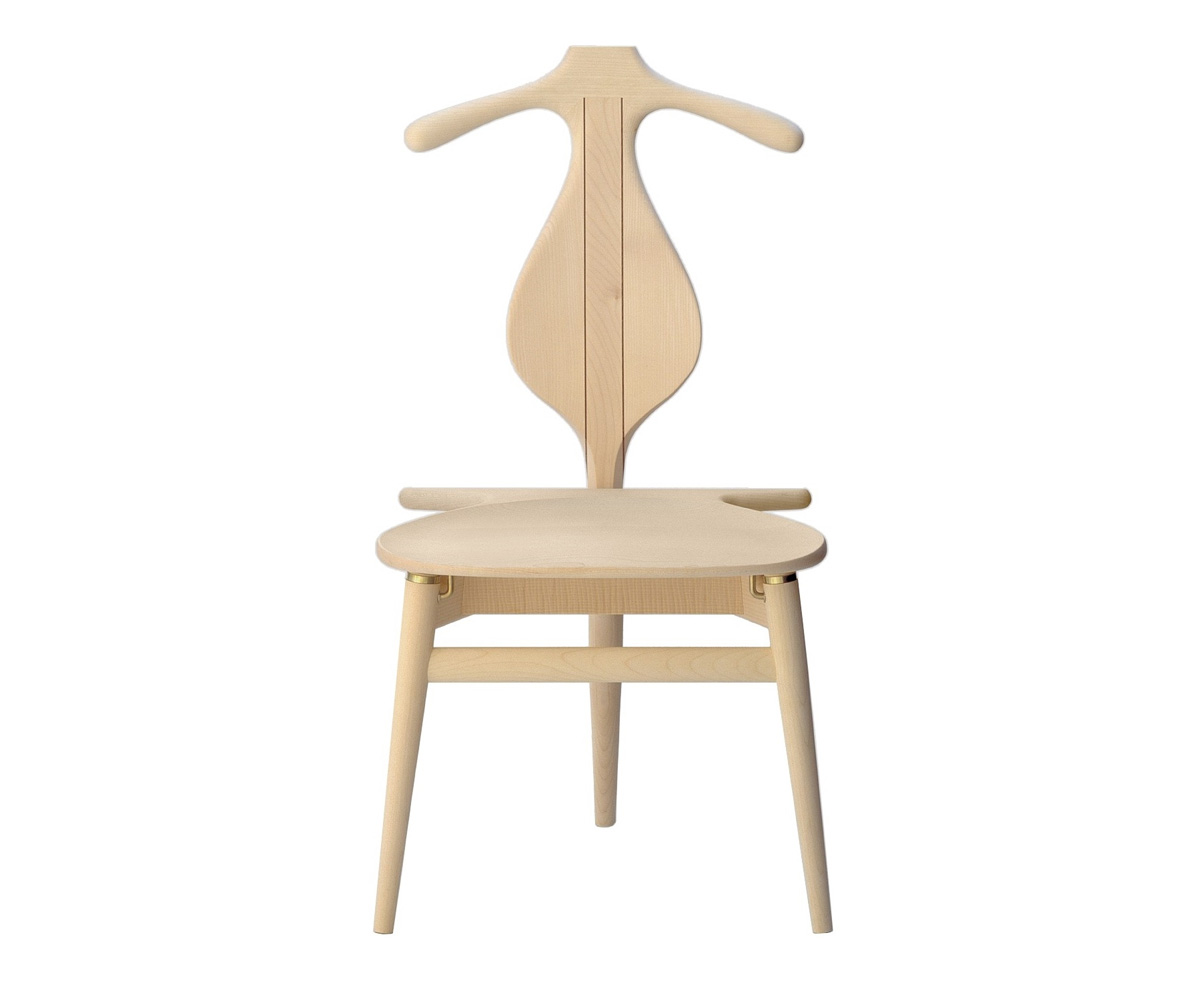
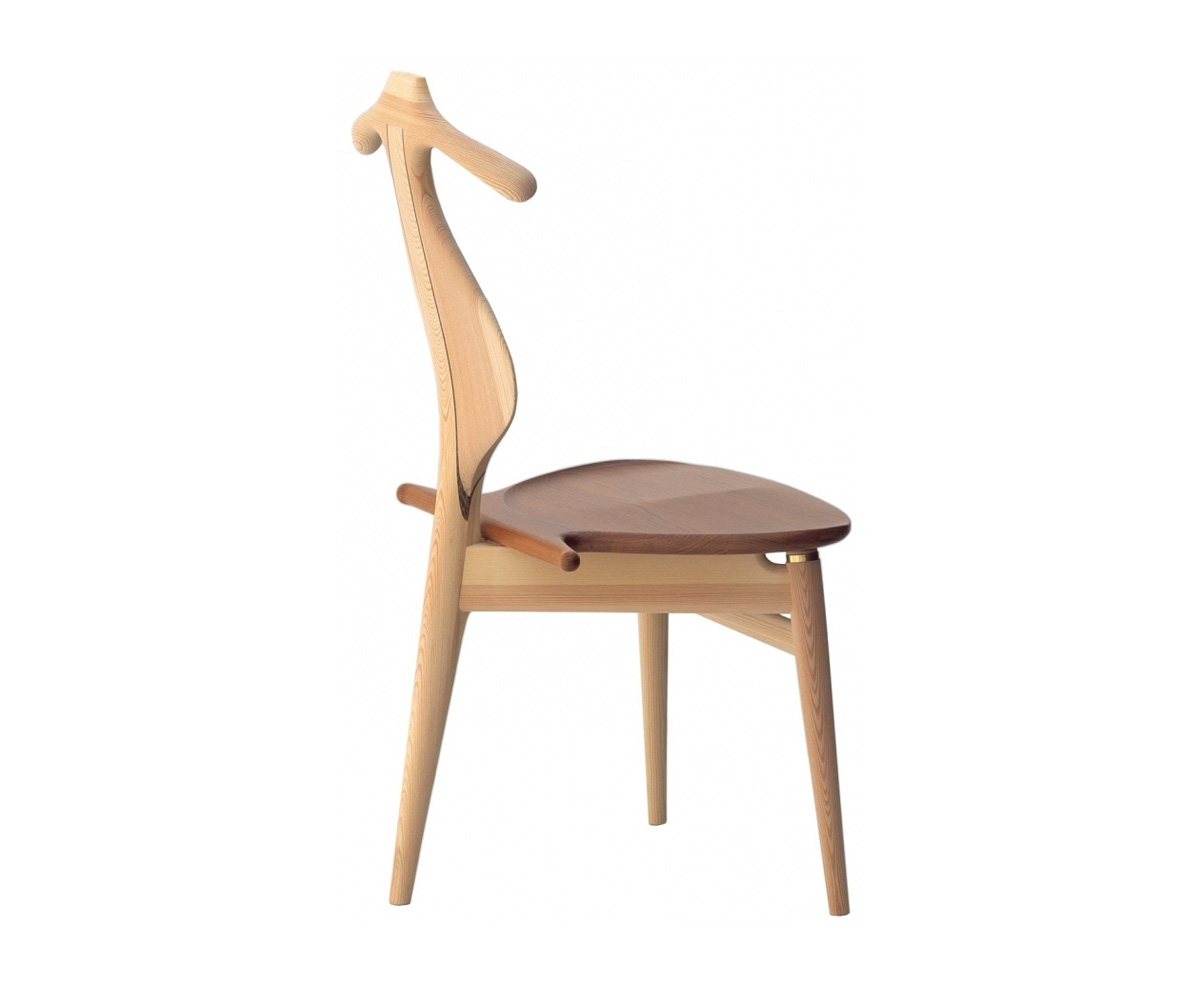
Wegner came up with the idea of the Valet Chair in 1951, following a long talk with Professor of Architecture Steen Eiler Rasmussen and designer Kay Bojesen about the problems of folding clothes in the most practical manner when it was time for bed. But the process of completing the…
-
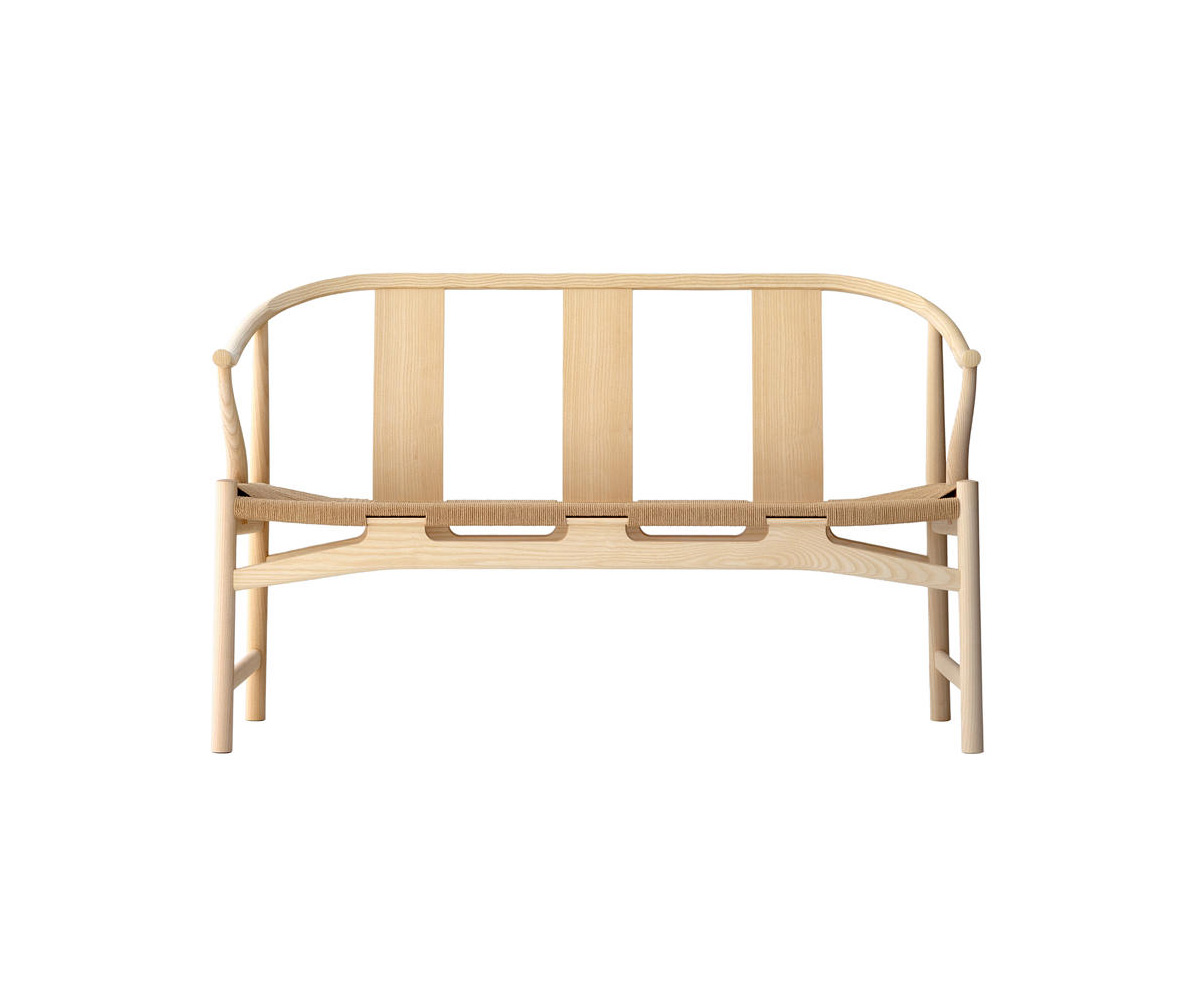
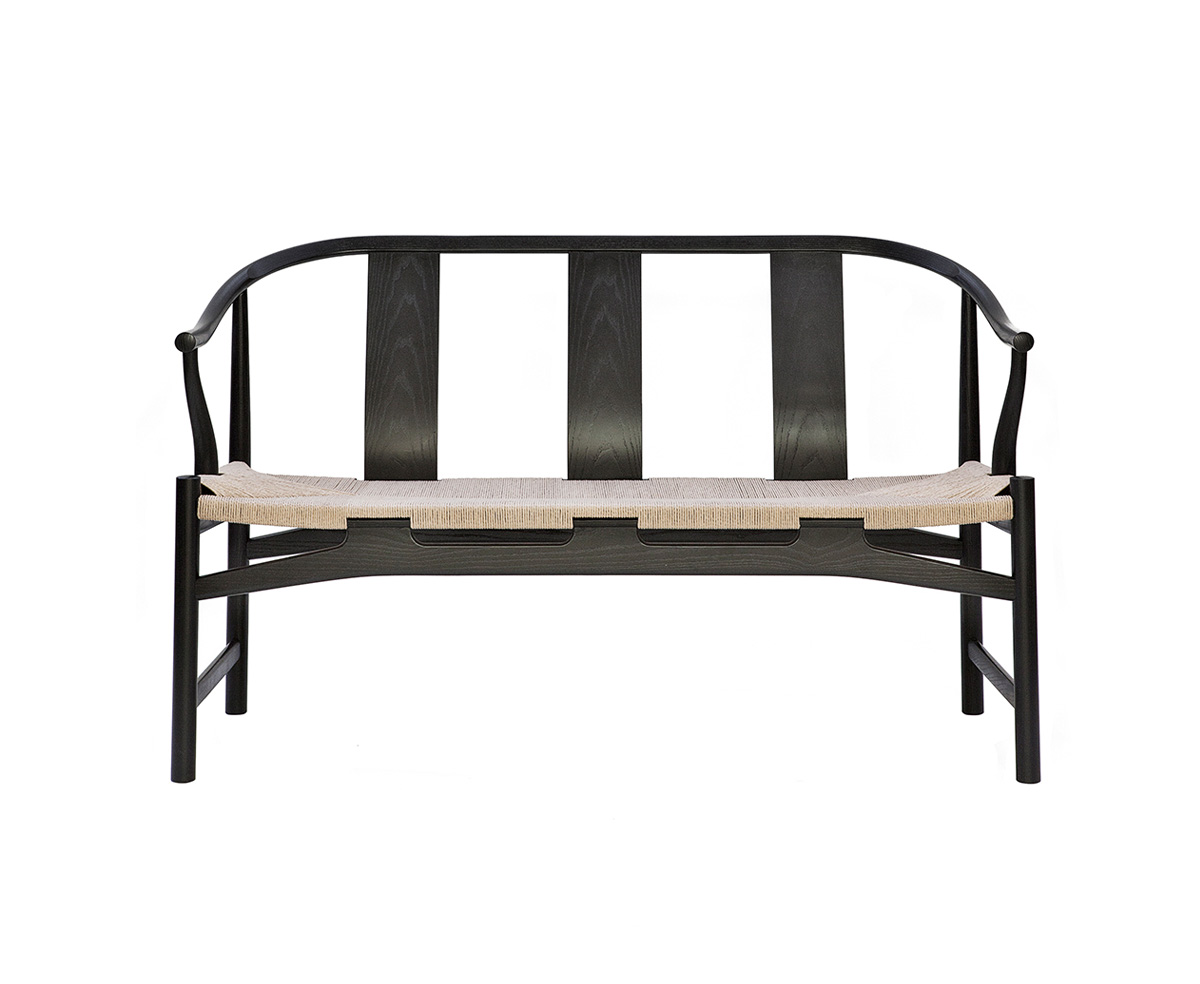
Feeling quite confident about the strength and agility of the pp66 Chinese Chair, Wegner was bold enough to develop the construction by designing a bench with an even stronger character. The Chinese Bench remained a prototype until 1991 when it was finally possible to put it into production thanks to…
-
The Round Chair was created in a language of shape and construction that only Wegner spoke and it triggered the first ever, foreign report on Danish design in the American Interiors Magzine. Wegner evaluated the Round Chair in the way; Personally, I think its my best achievement. Not because of…
-
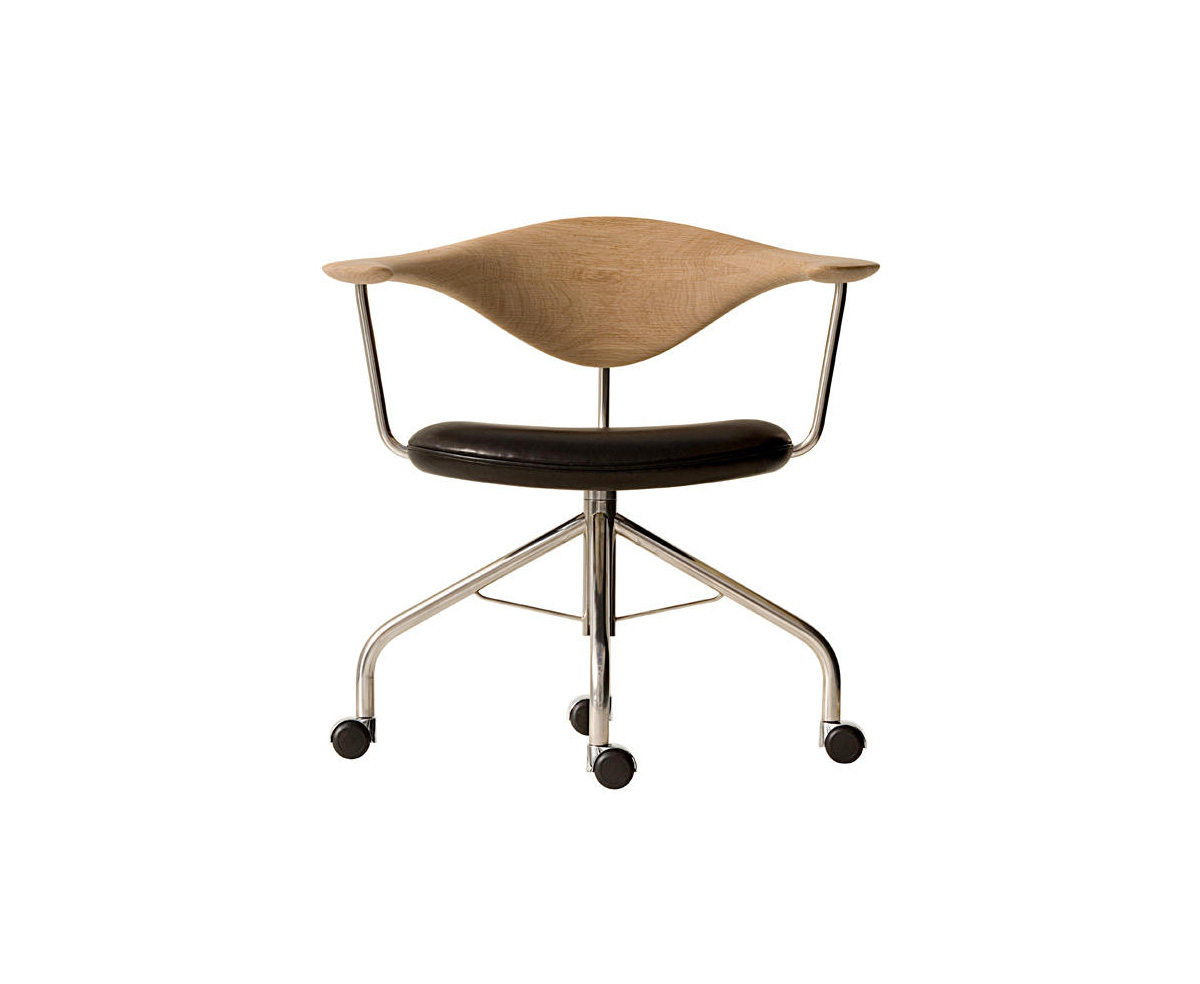
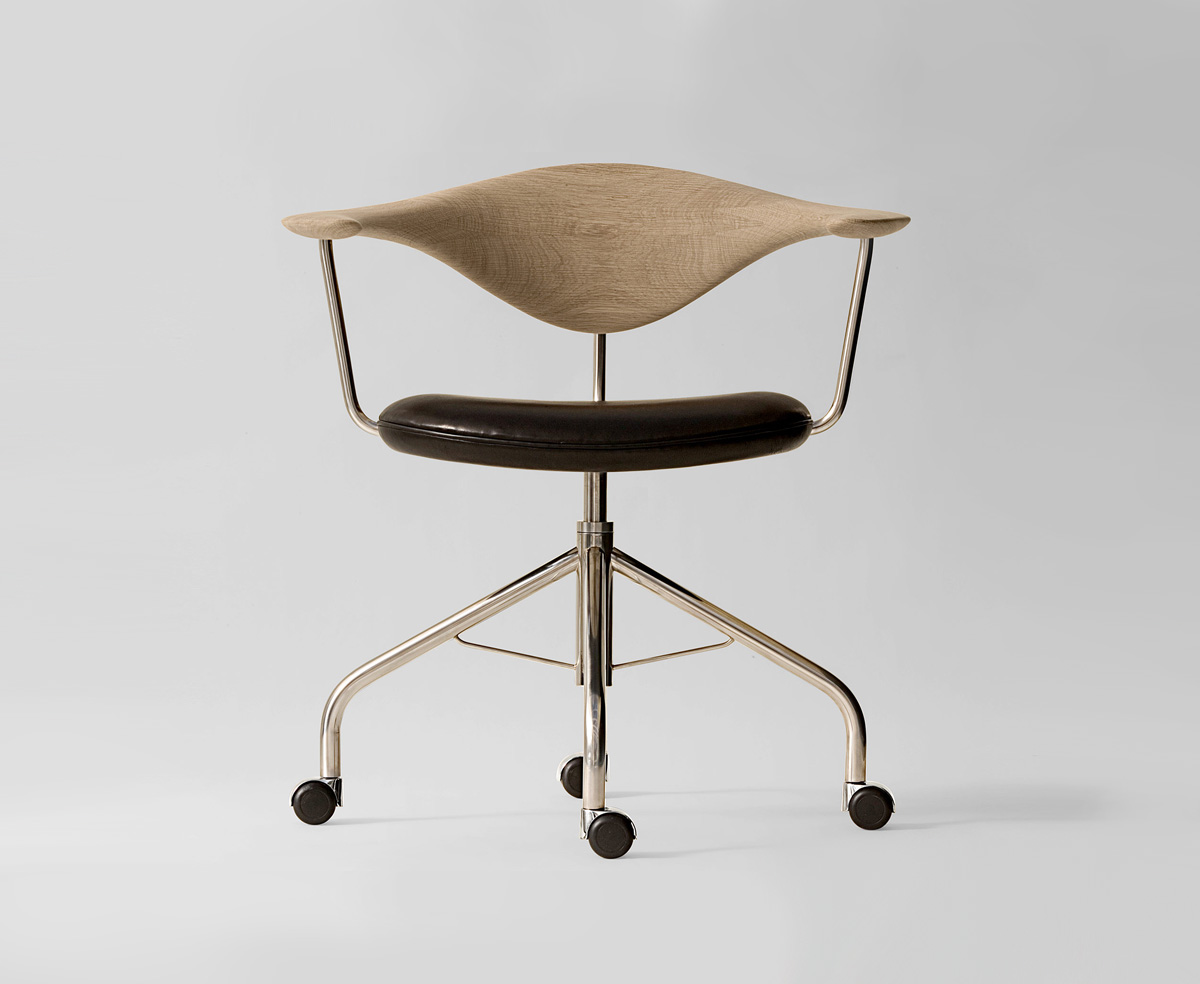
The swivel chair is an uncompromising tool with comfort and ergonomics as overriding considerations. Wegner inspired by the critique of consultant, Professor and doctor of Medicine Egill Snorrason PhD, which was aimed at the entire Danish design and furniture trade for not paying attention to ergonomics. In his critique, however…
-
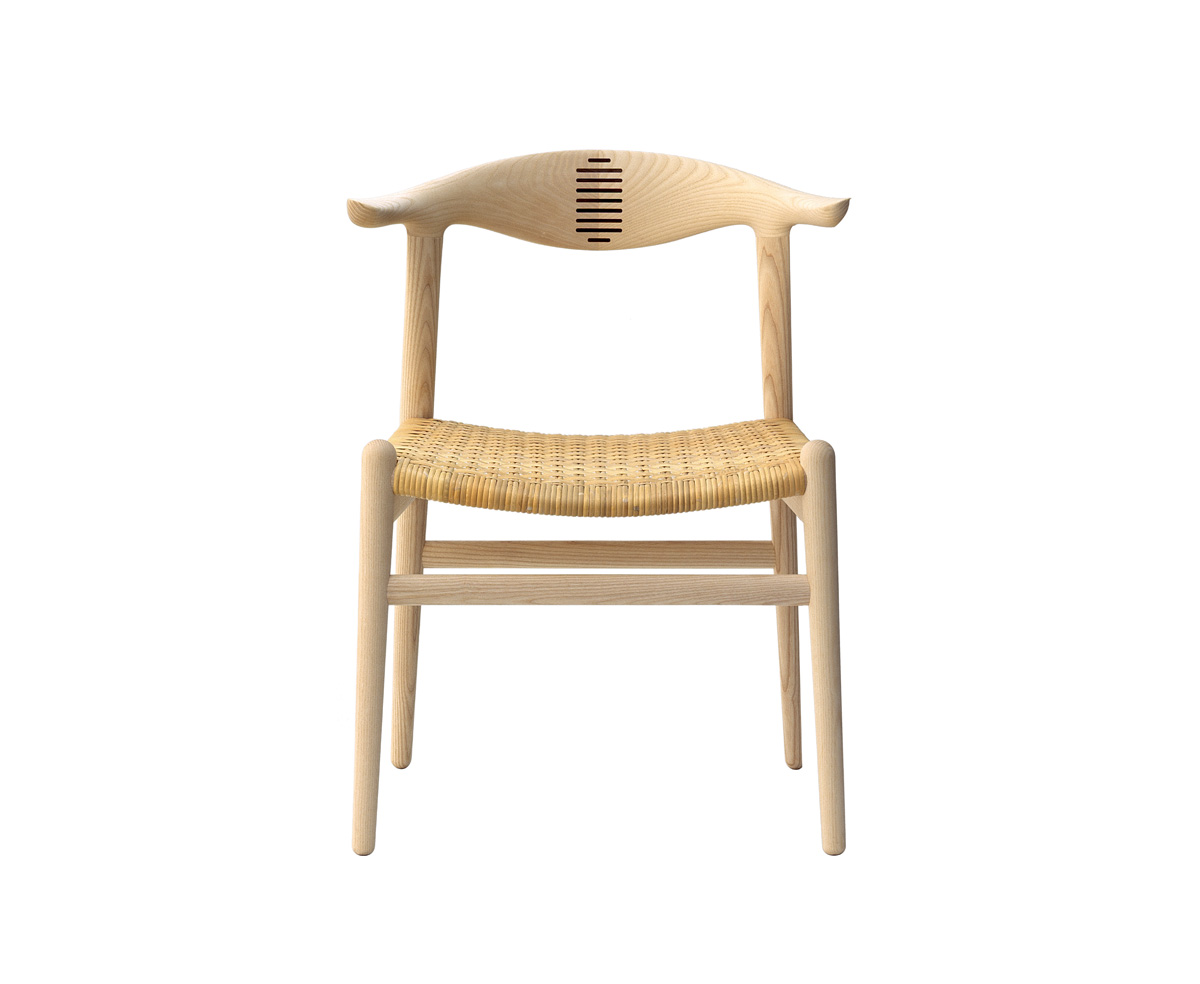
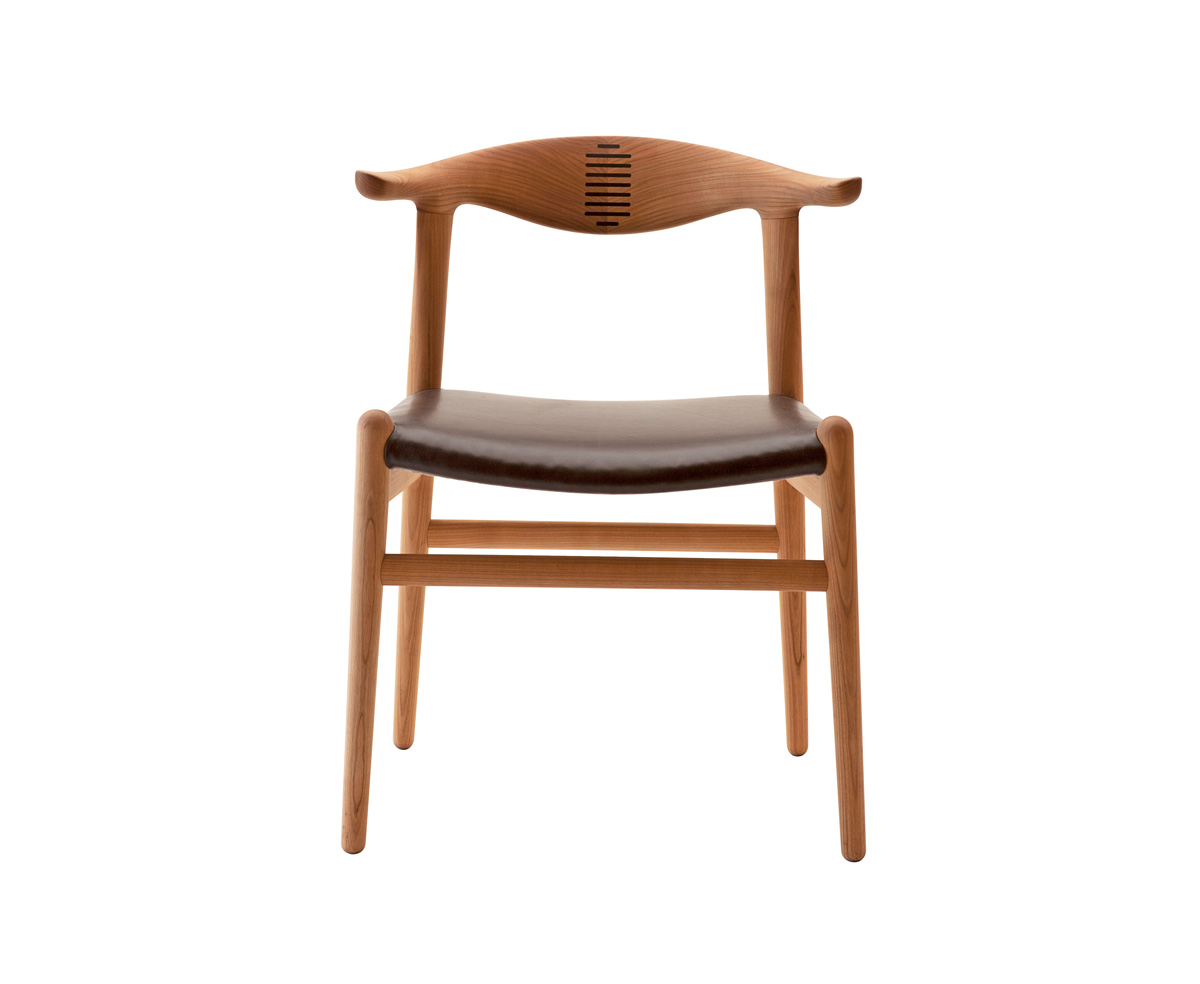
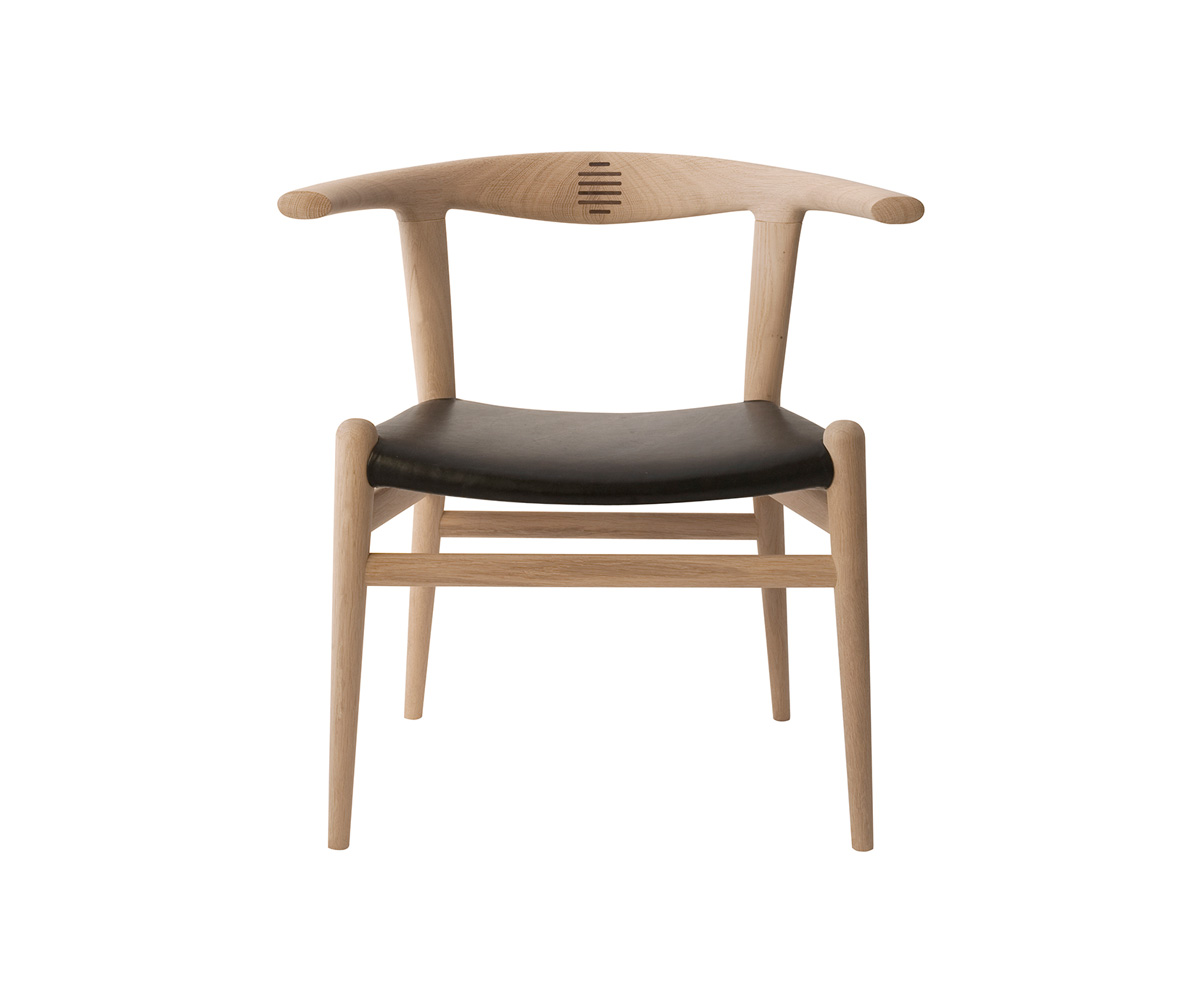
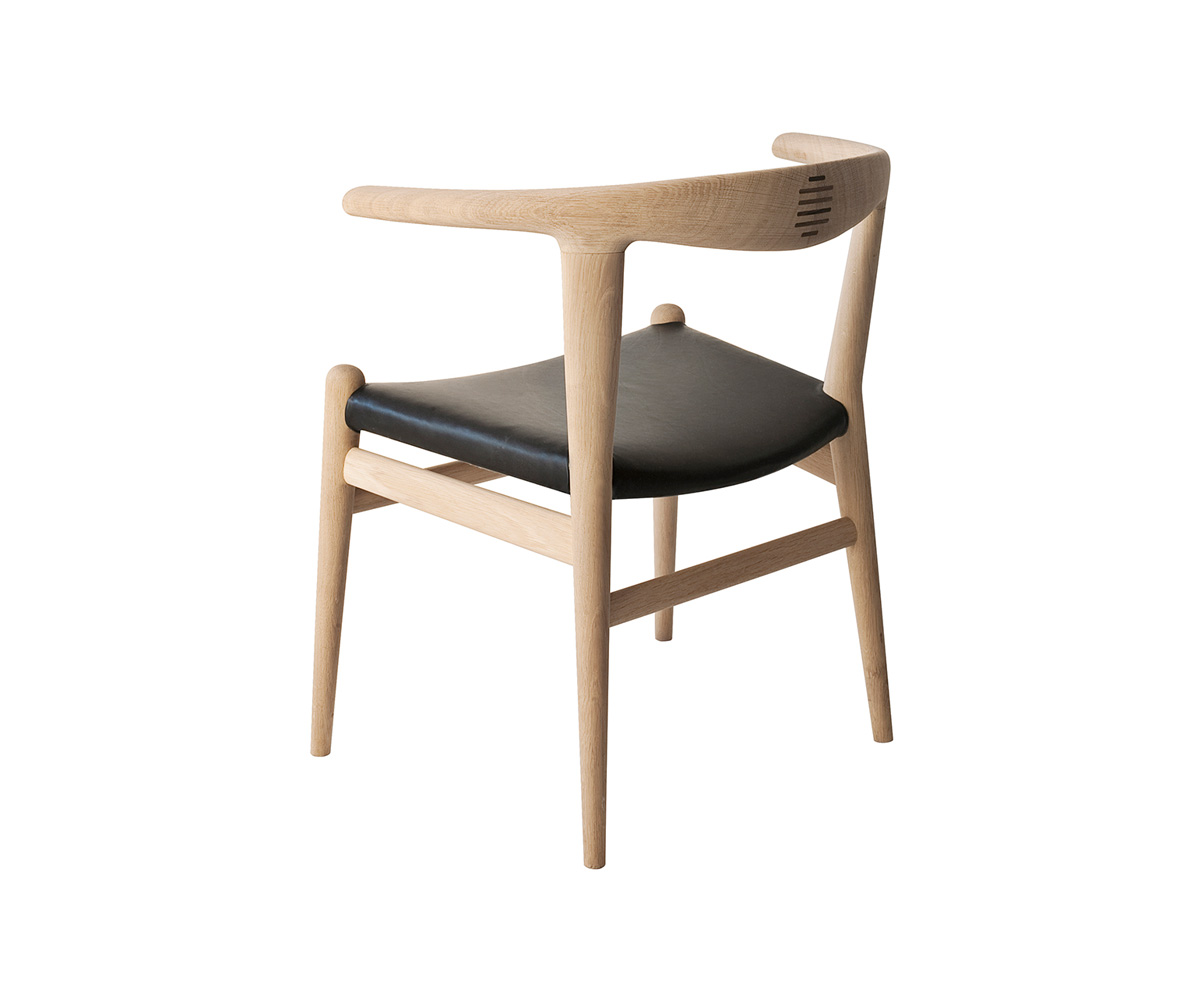
Great luxury sometimes comes in small packages. The Cow Horn Chair is one of Wegners smallest chairs, but it is an amazing work of art. Wegner created a chair that would easily fit under the table thus making it more suitable for the dining set. Wanting to pay homage to…
-
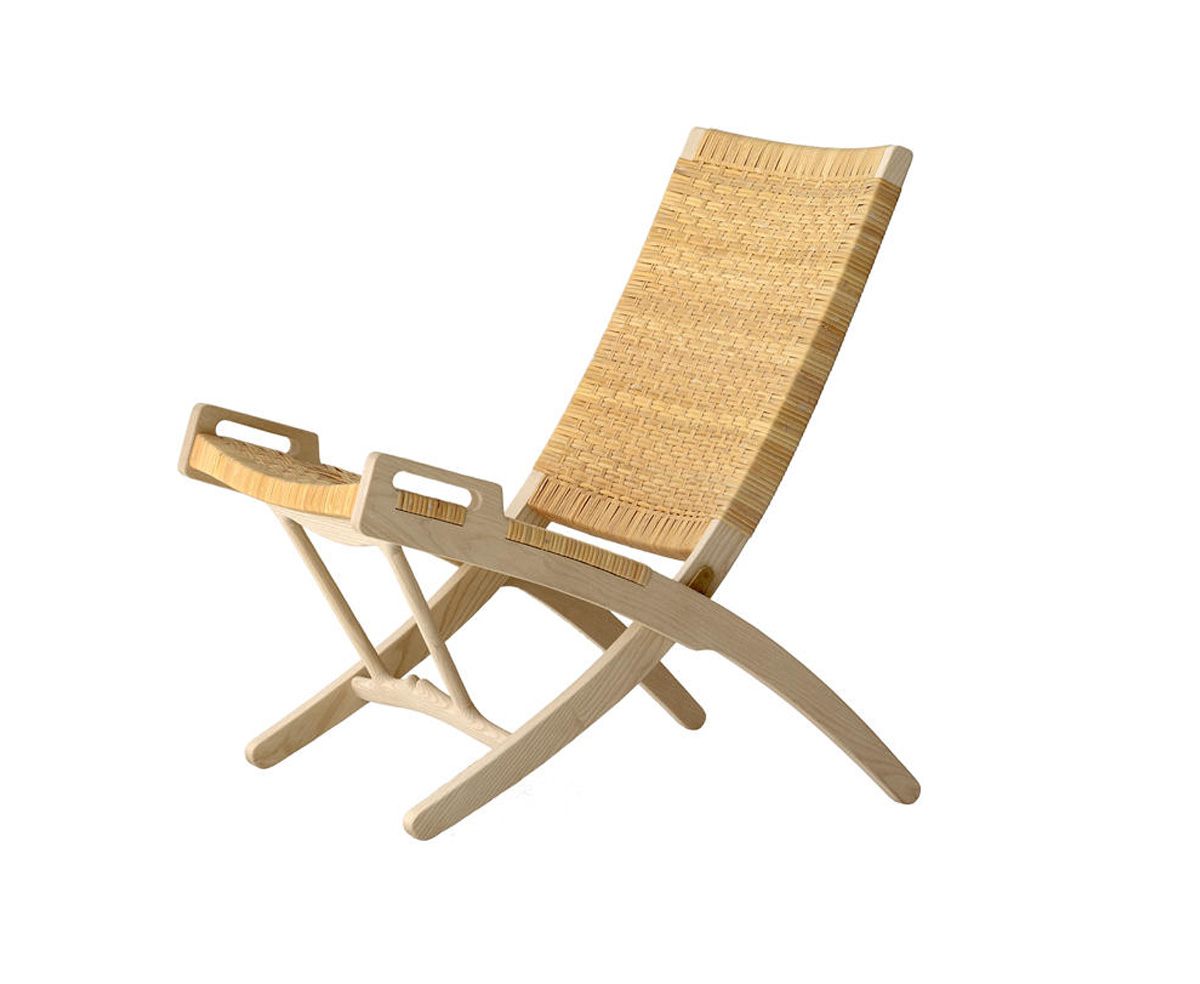
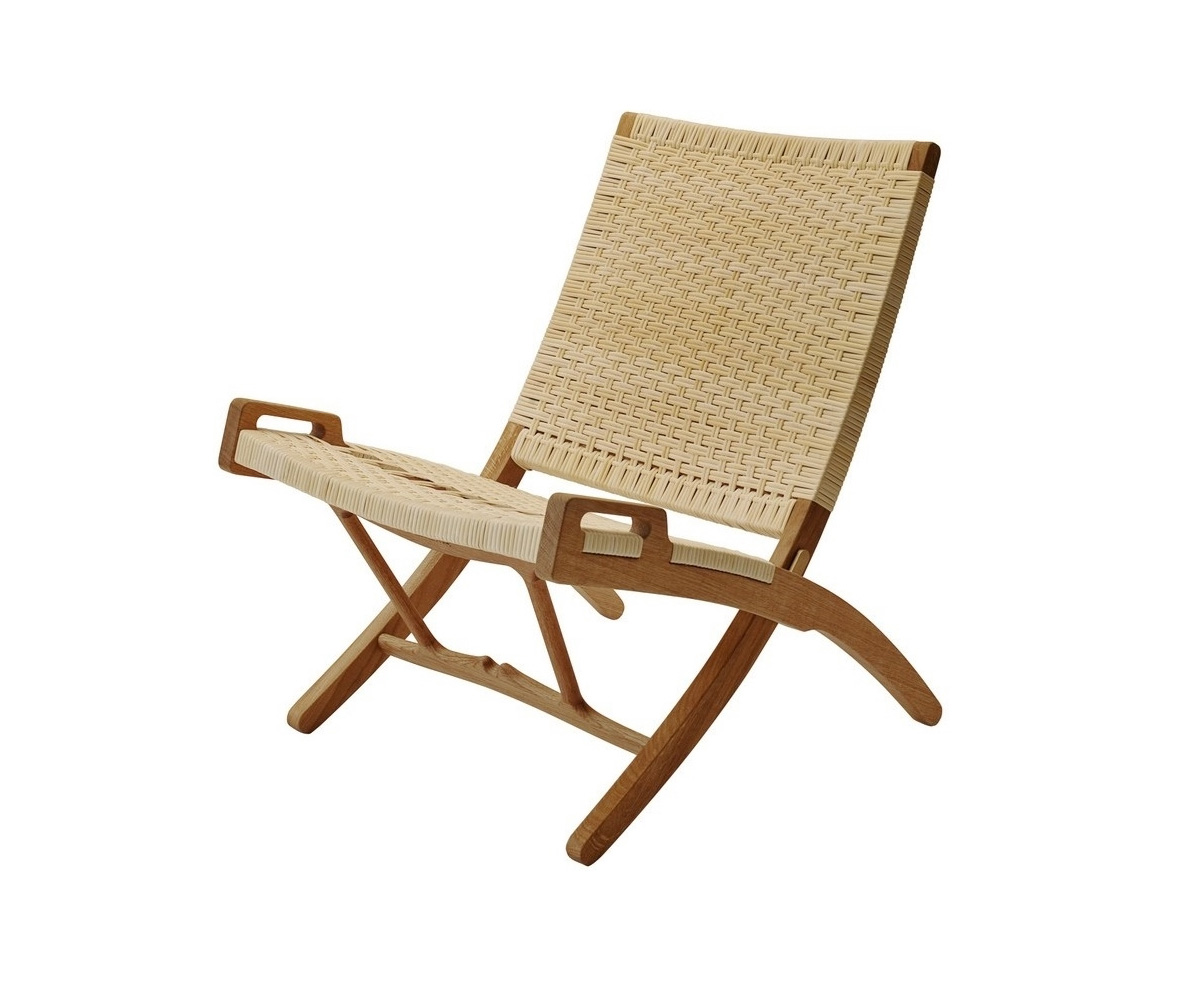
The modern and minimalistic construction of the pp512 Folding chair exhibits the superb handling of two basic materials: solid wood and cane. The wooden handles serve as hand-rests, but also intersect with the otherwise continuing cane seat causing aesthetic deviation, which makes the cane work look balanced rather than overdone.
-
The purpose of this chair is to provide an exceptional sense of wellbeing. Your arms and back are supported by two huge pieces of solid wood joined in the middle by six rosewood tennons. A work of art that will challenge any craftsman, apparently with the sole purpose of providing…
-
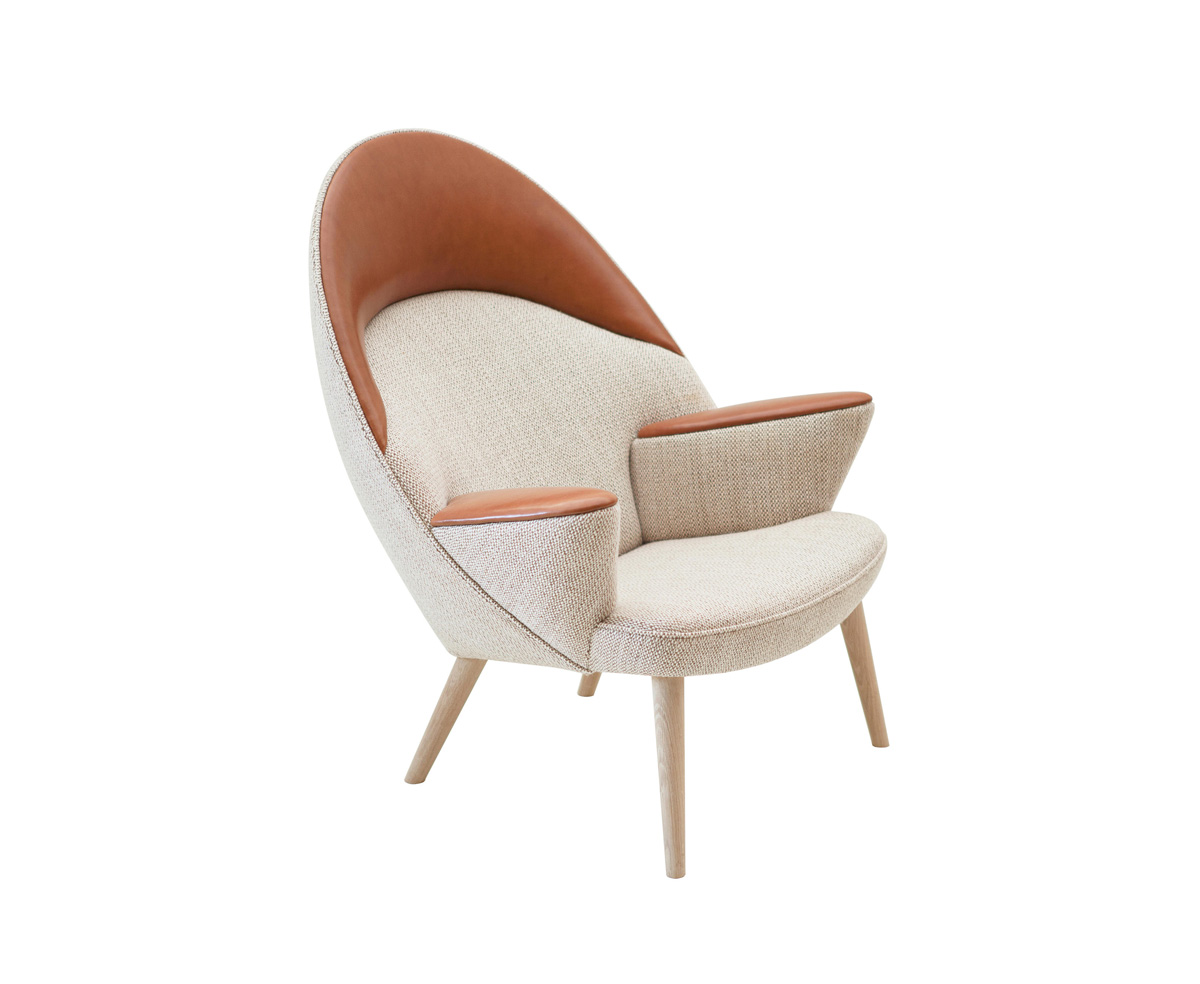
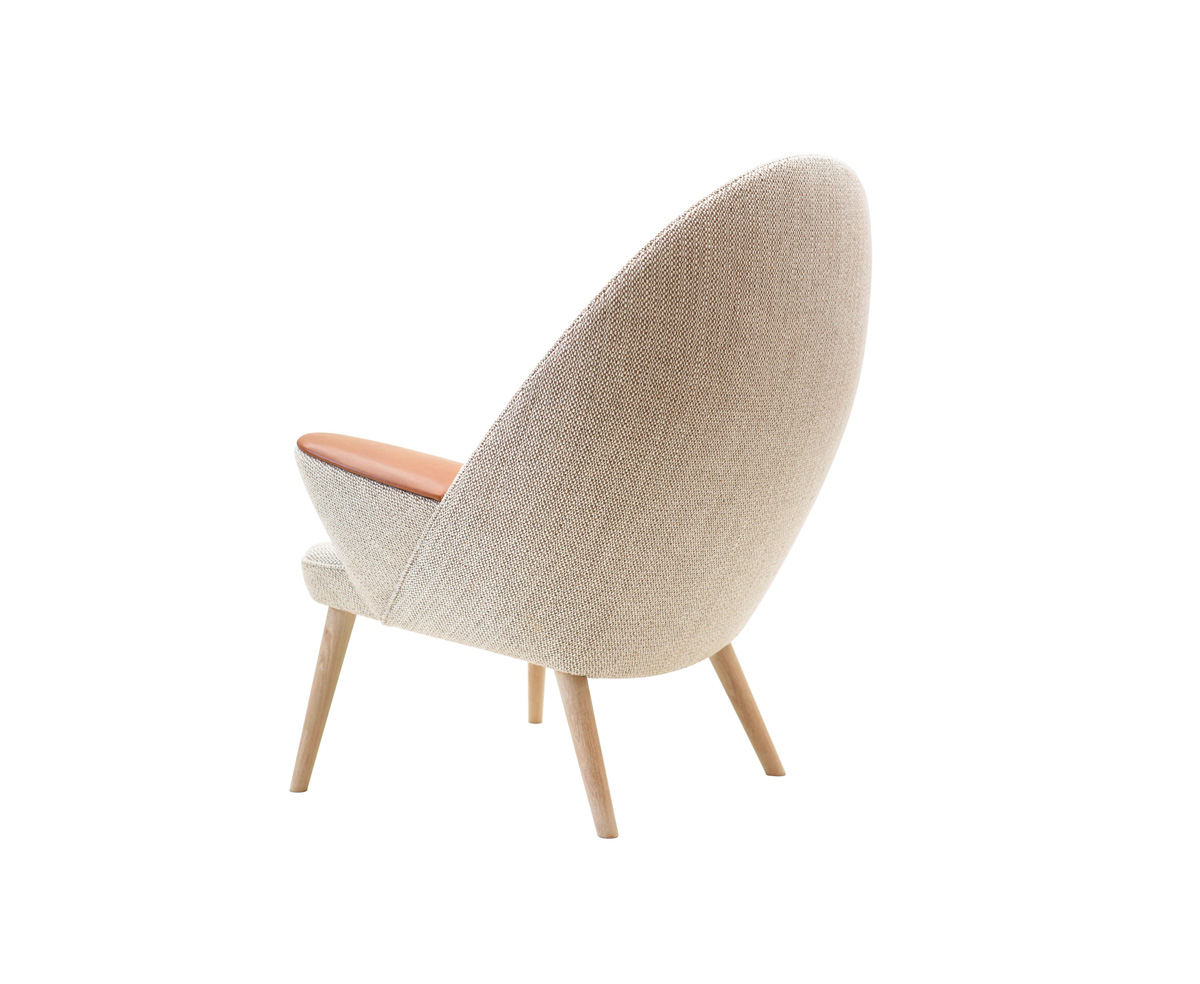
The Upholstered Peacock is as the name implies, an upholstered interpretation of the pp550 Peacock chair from 1947, one of Wegners all time classics and one of his personally beloved designs. In the upholstered Peacock, Wegner has repeated the arch from the original version and then covered the construction with…
-
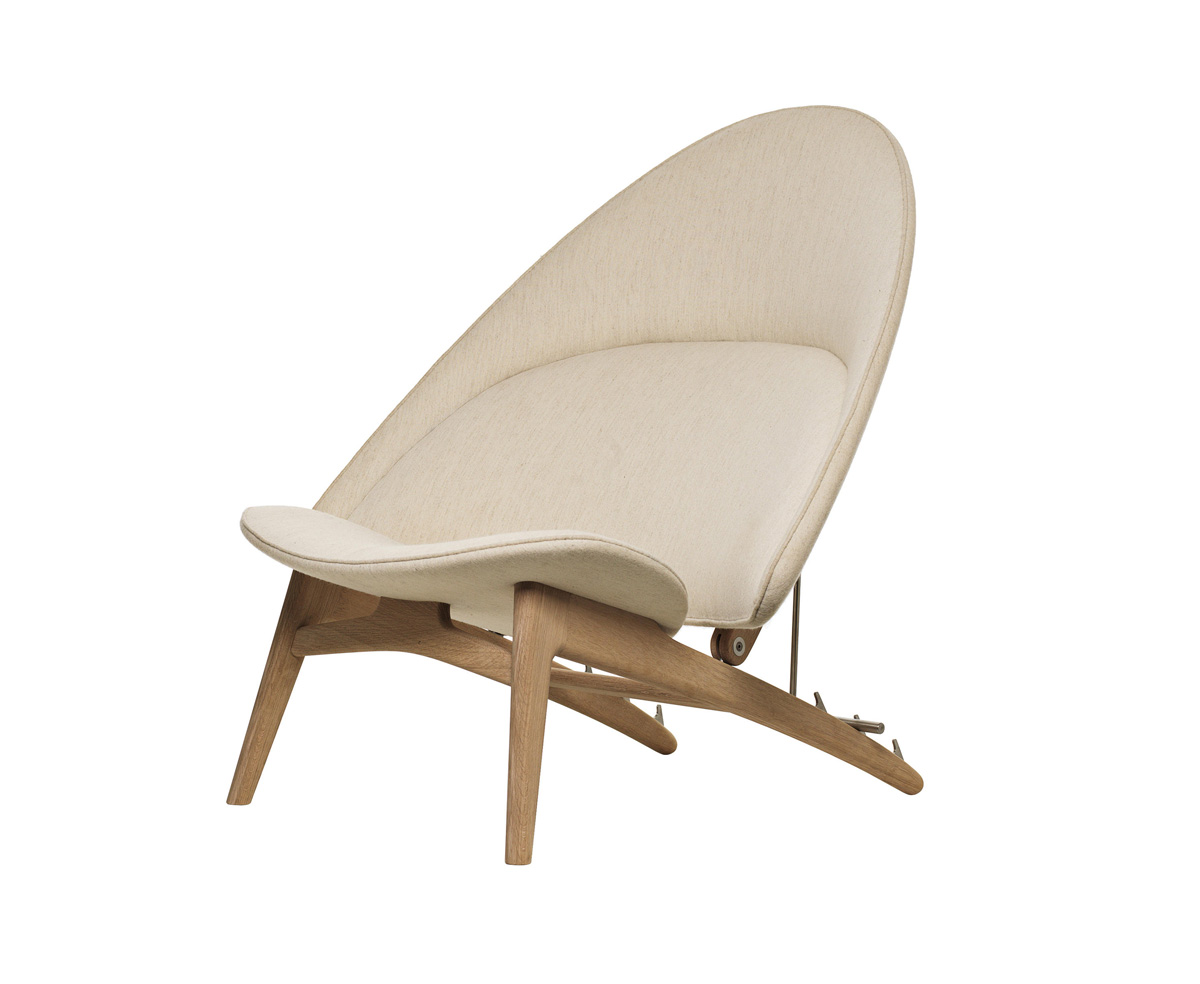
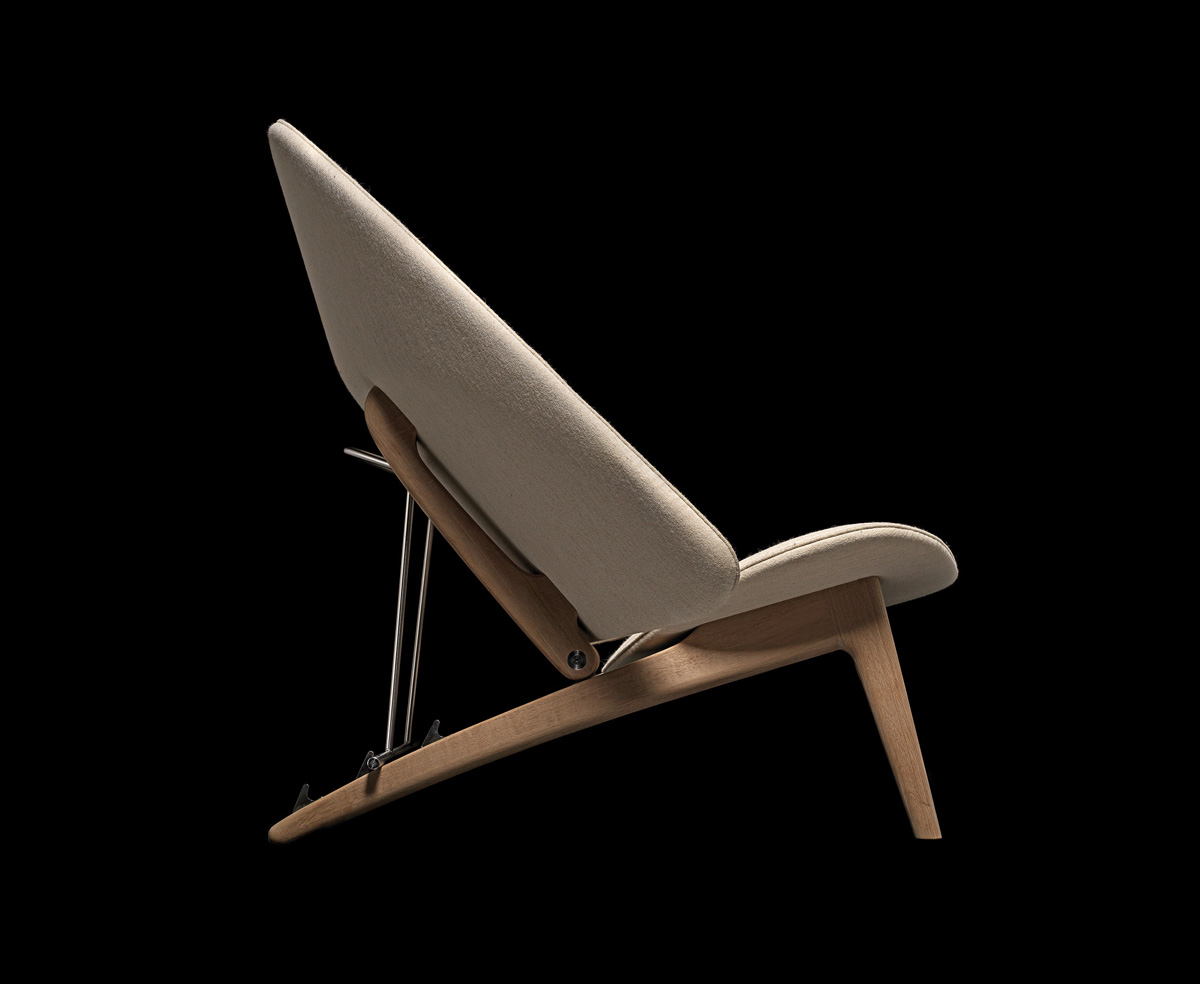
Conceived in 1954 the tub chair was a pioneering experiment, and it turned out to be the most advanced shell chair design Wegner ever did, as the back of the chair is a complicated double bent shell comprising of two individual shapes; one that is bent and one that is…
-
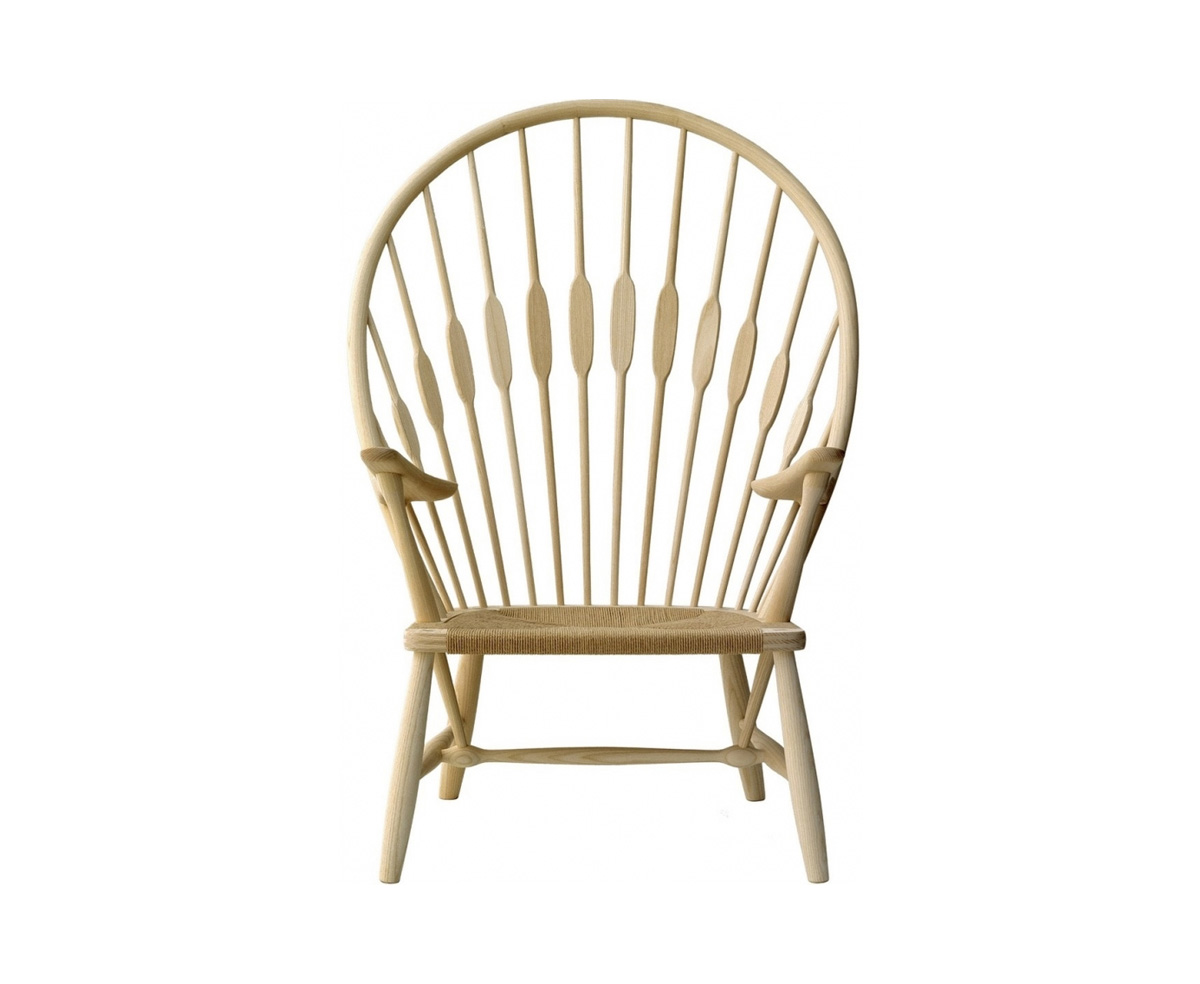
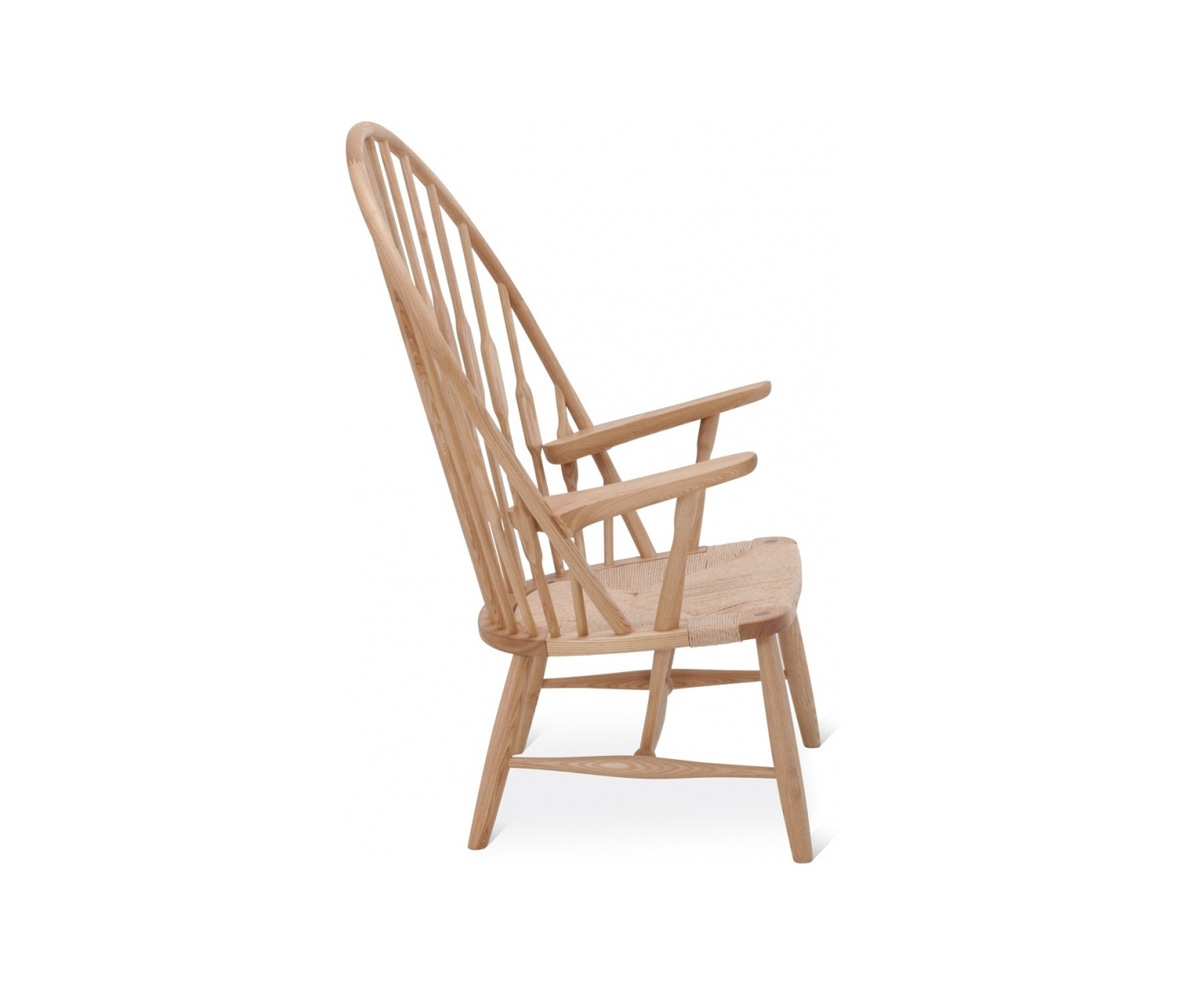
When Fin Juhl saw this chair he immediately noticed its characteristic back and named it the Peacock Chair- a name that stuck. Despite the chairs almost Post Modern design, it was actually designed back in 1947. Its deliberately modern lines are not merely a question of looks. Rather the sweeping…
-
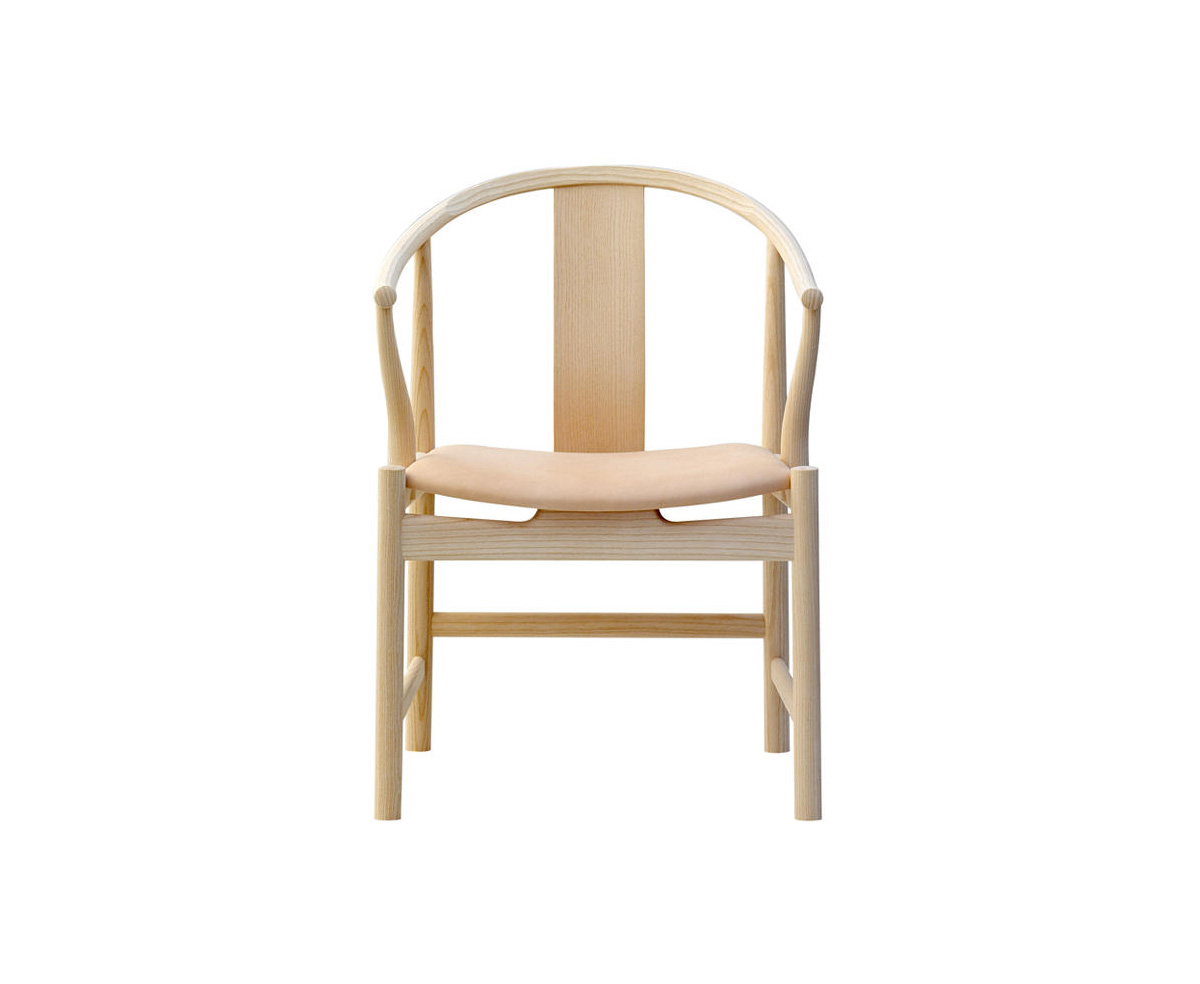
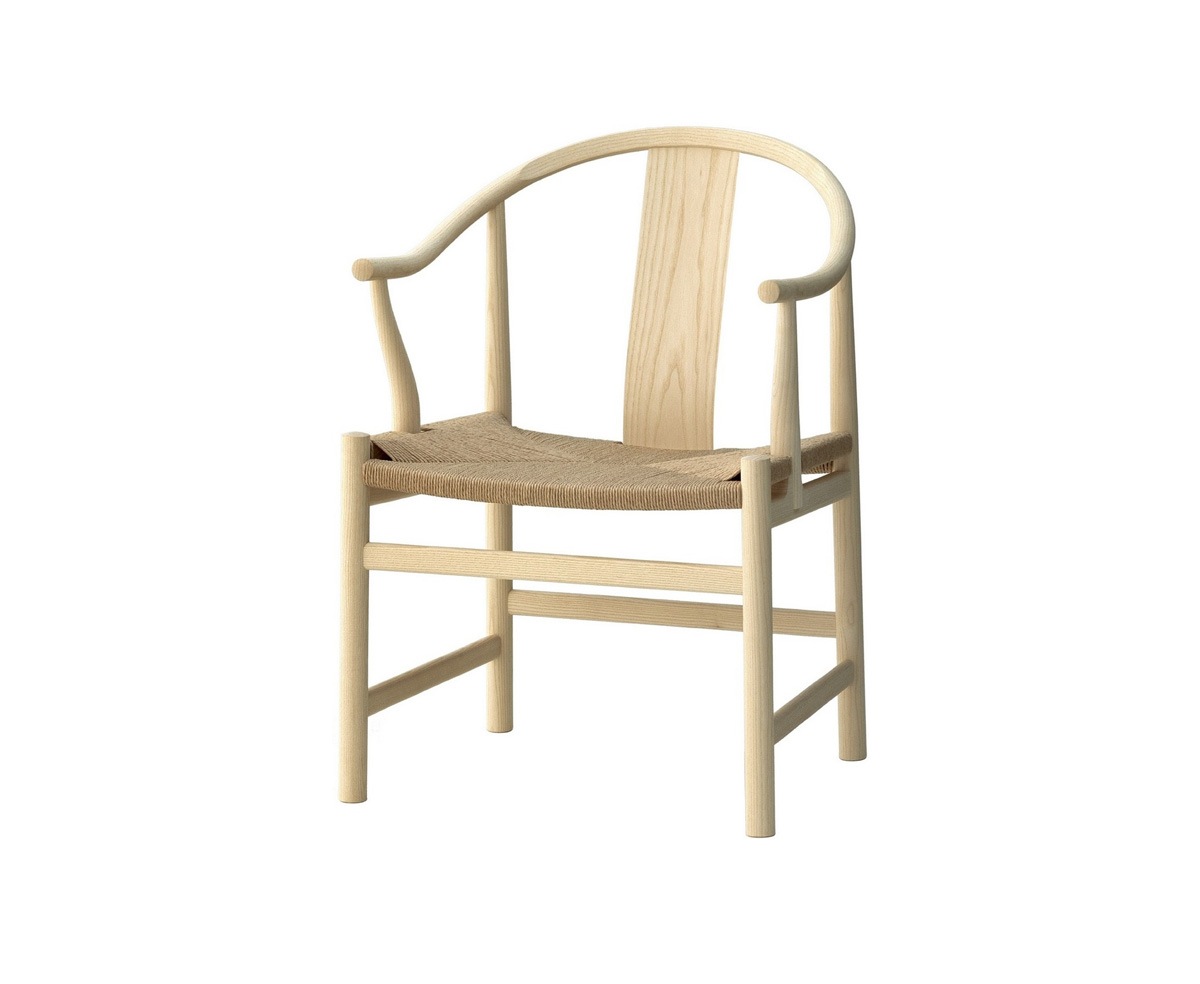
The Chinese chair is one of Wegners earliest designs in production yet it is produced using the most modern bending technique. A single piece of steamed wood is compressed along its length using an advanced technical process and is immediately rounded before it is bent in three dimensions. Wegner presented…